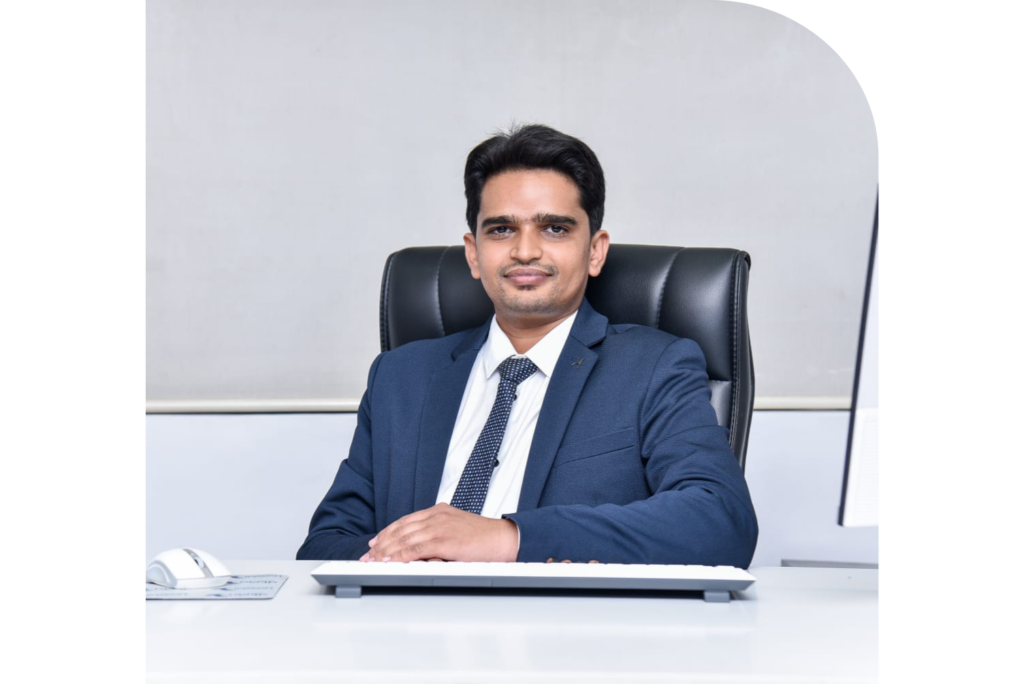
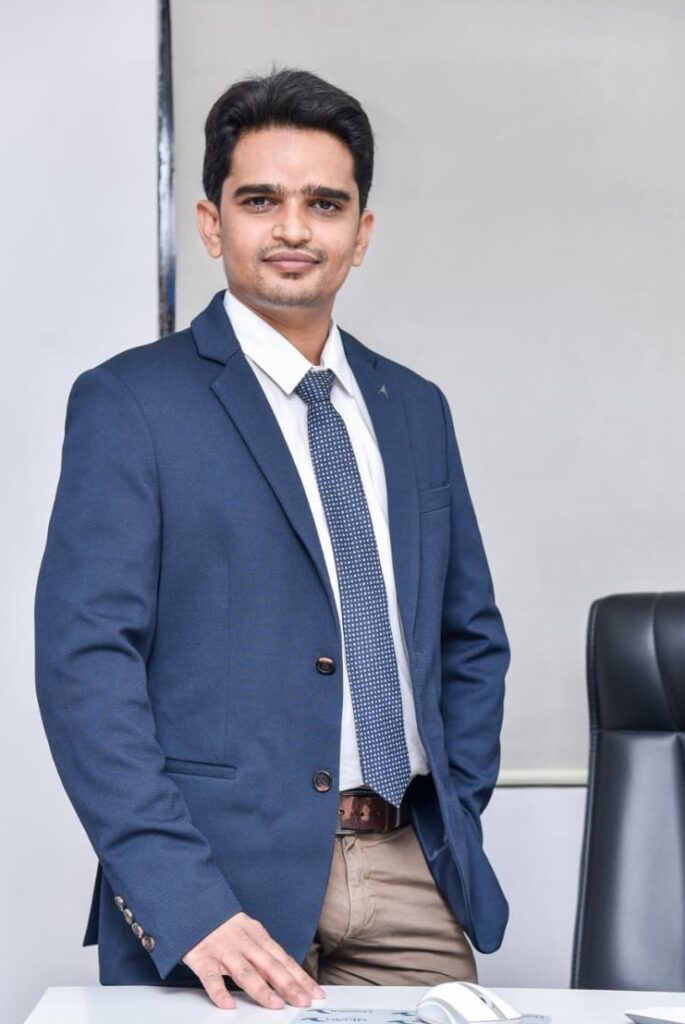
Dr. Rohit A. Thaker
D. Ortho, DNB Orthopaedics (Mumbai)
Spine Fellow – Germany | Japan | Israel
Director – Department of Spine Surgery

Advanced surgical techniques that reduce tissue damage, minimize pain, and ensure faster recovery with smaller incisions and improved precision.
Advanced endoscopic procedures for disc prolapse, spinal stenosis, and complex spine conditions with enhanced safety and quicker rehabilitation.

Globally trained in Germany, Japan, and Israel with expertise in cervical spine surgery, deformity correction, and advanced spine techniques.
Spine Surgeon in Ahmedabad
Choosing a spine surgeon is not a small decision. The spine carries your nervous system. Surgery here, done well, can give a person their life back. Done poorly, it can take it away. So it makes sense that patients spend weeks researching before walking into a spine clinic. Dr. Rohit A. Thaker runs Spine 360, a dedicated spine practice in Ahmedabad focused on doing things right — careful diagnosis, conservative care when it is enough, and modern surgery only when it is genuinely needed. The clinic handles the full range of spine conditions, from everyday back pain to the most complex deformities, tumors, and traumatic injuries. His years of practicing history make him the most renowned spine surgeon in Ahmedabad.
First Spine Surgeon in Ahmedabad Trained on Three Countries
Most spine patients today are well-informed. They have read about disc herniations, looked up MRI reports on Google, and watched surgery videos on YouTube before they ever walk into a clinic. They know what they don’t want — a surgeon who pushes them toward an operation they don’t need, or worse, dismisses what is clearly bothering them.
Dr. Rohit Thaker’s training was specifically built around the goal of doing spine care correctly. After completing his DNB in Orthopaedics in India, he went on to do fellowship training in spine surgery in Germany, Japan, and Israel — three countries with very different but equally respected spine surgical traditions. Germany is known for its precision in deformity correction. Japan, for its expertise in endoscopic and minimally invasive spine surgery. Israel, for innovation in spinal trauma and complex reconstruction.

Why training across three schools matters
Most Indian spine surgeons train in one or two centres. Training across three different schools of spine surgery means a wider range of techniques, a more careful judgment of when each is the right choice, and exposure to cases that most clinics never see.
Here is what patients actually want from a spine specialist — beyond the credentials. They want a clear explanation of what is wrong. They want to be told honestly whether surgery is needed or whether something less can fix it. They want a surgeon who has done the procedure they need *enough times* to be good at it. And they want someone they can reach when something feels off during recovery.
And when it is recommended, it is done with modern techniques — endoscopic, minimally invasive, microsurgical — that minimise pain, blood loss, and recovery time.
What we don't do is push every patient with a back pain MRI into a fusion. Frankly, that is what gives spine surgery a bad name. A clean, honest assessment is the most underrated thing a spine surgeon can offer.
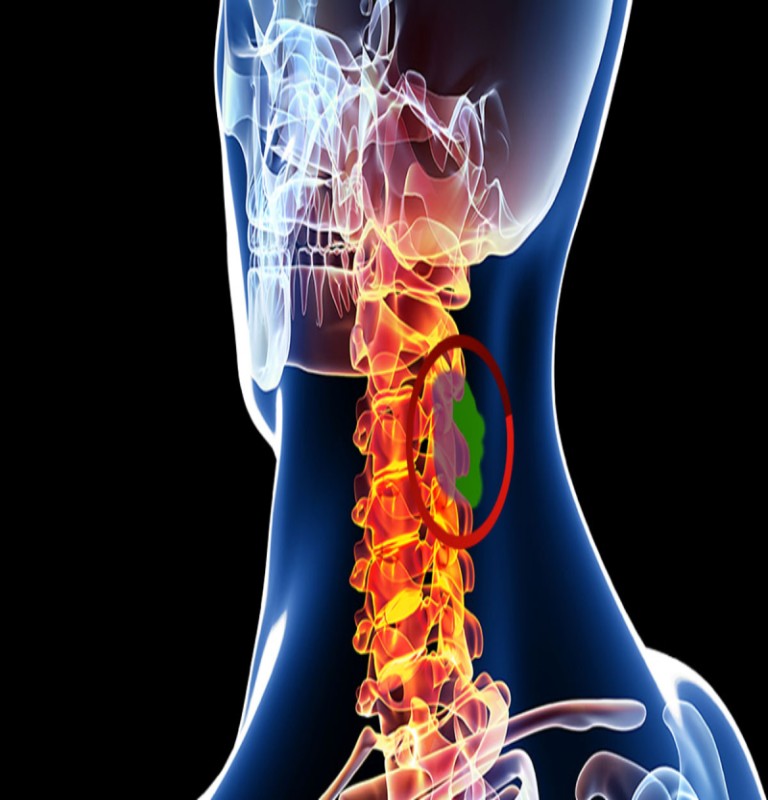
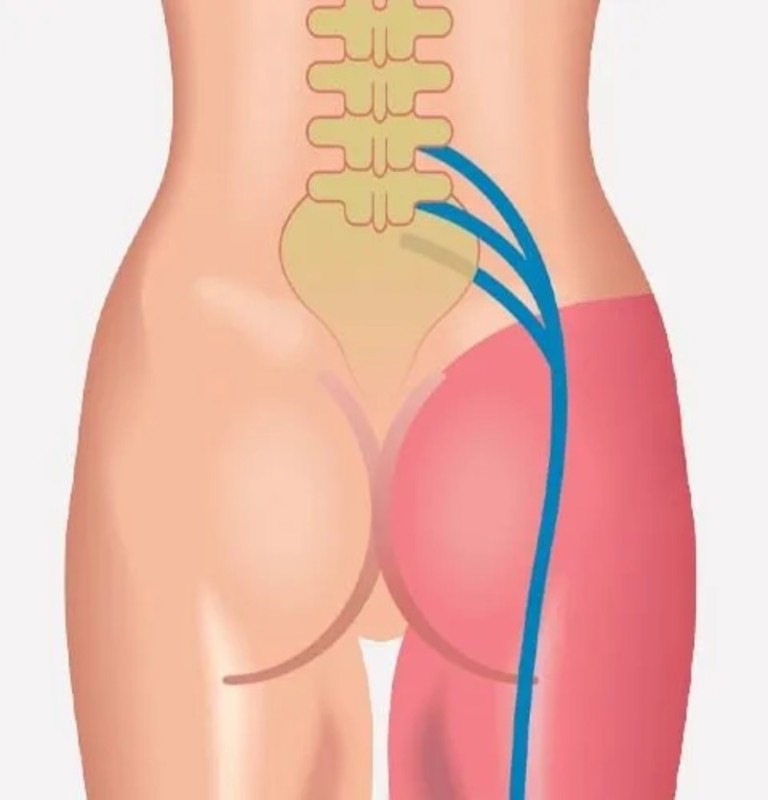
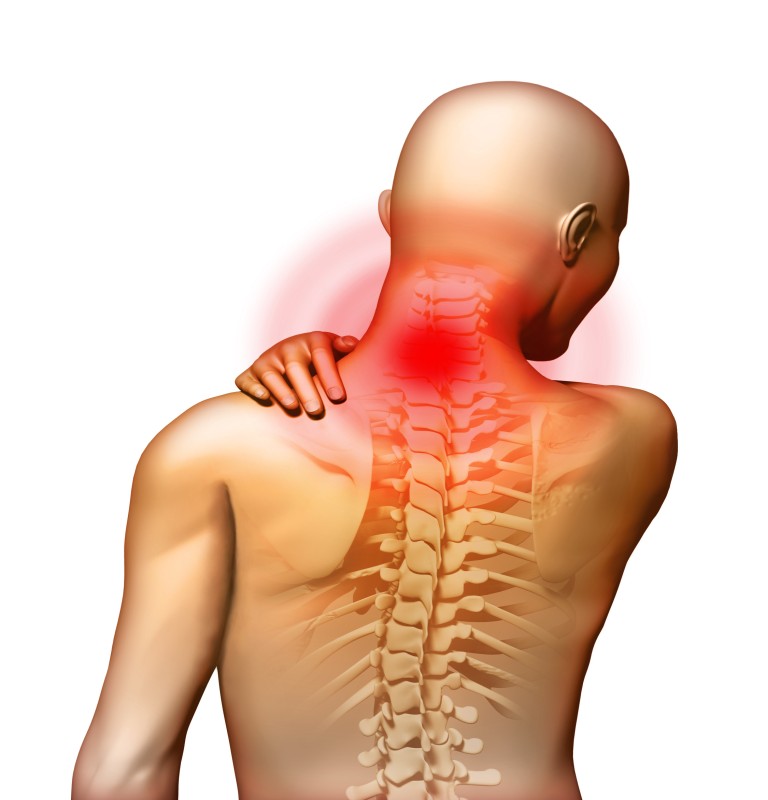
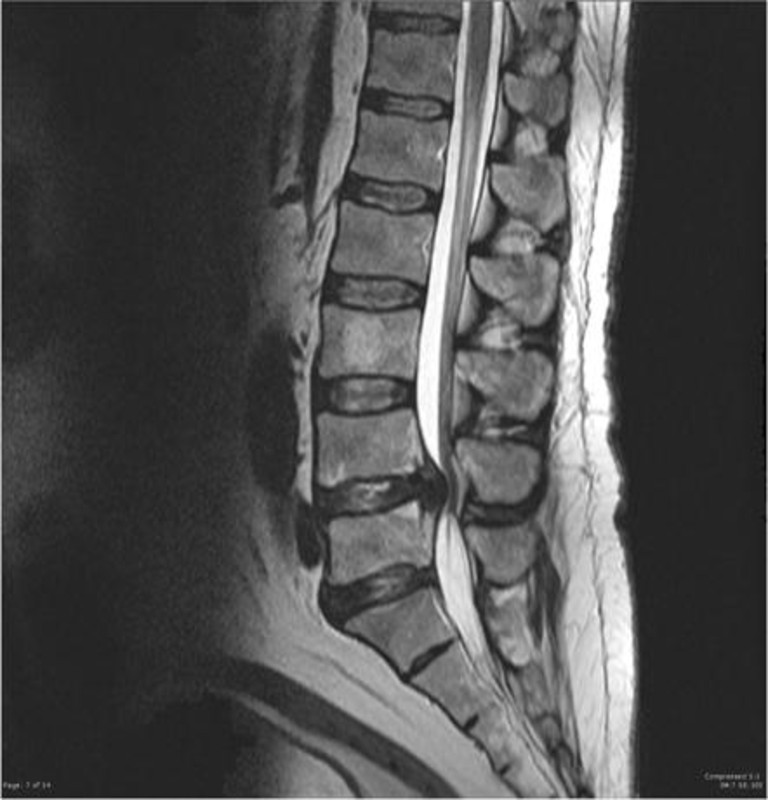
Advanced Spine Care Treated by Spine Specialist
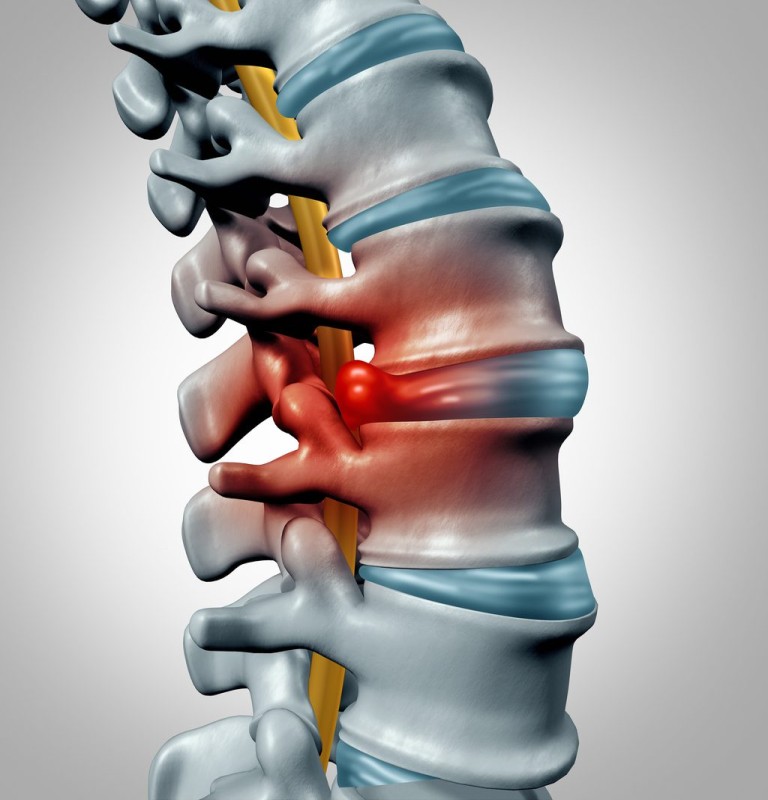
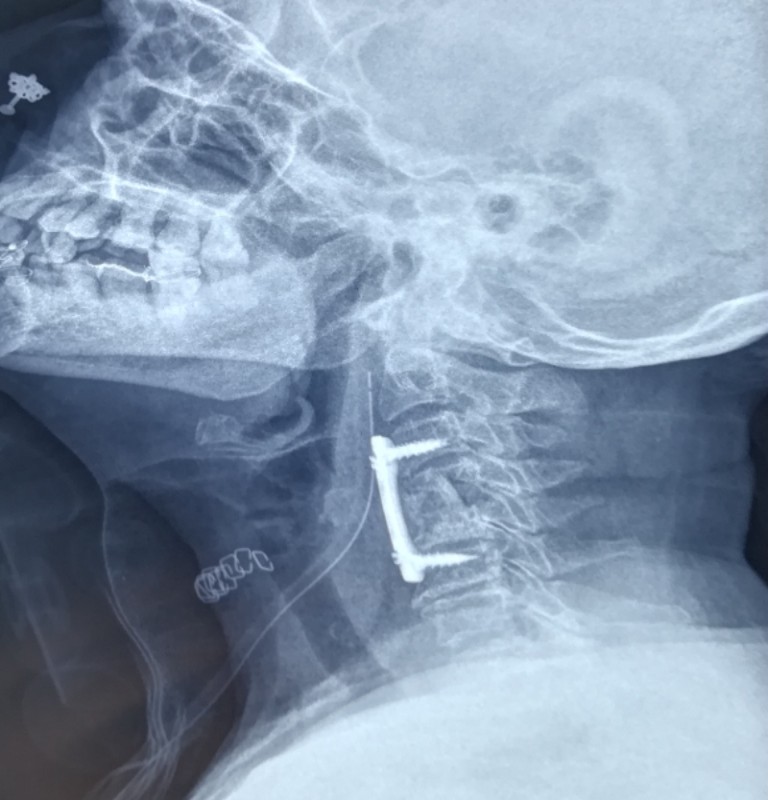
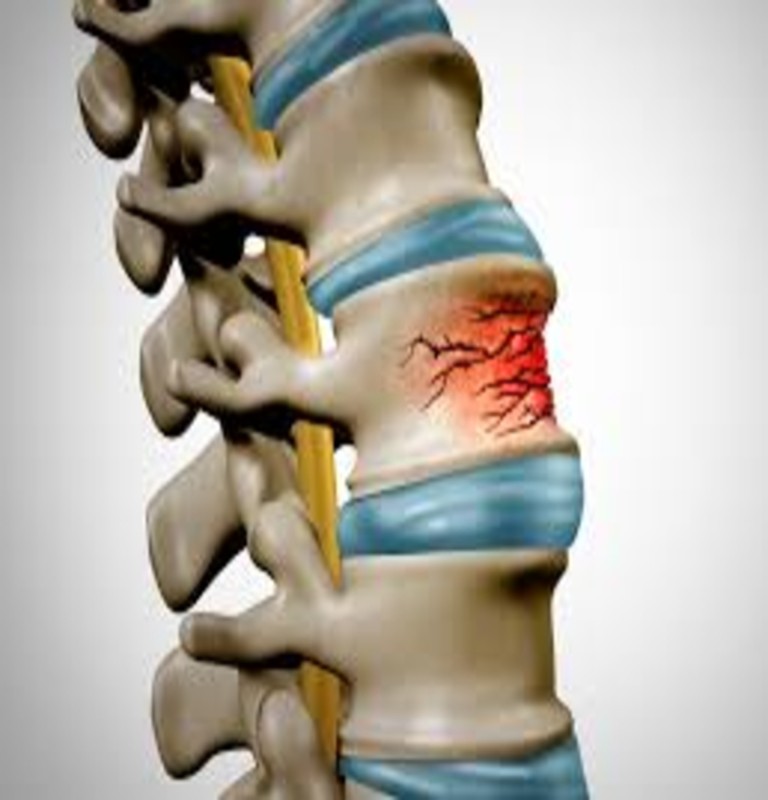
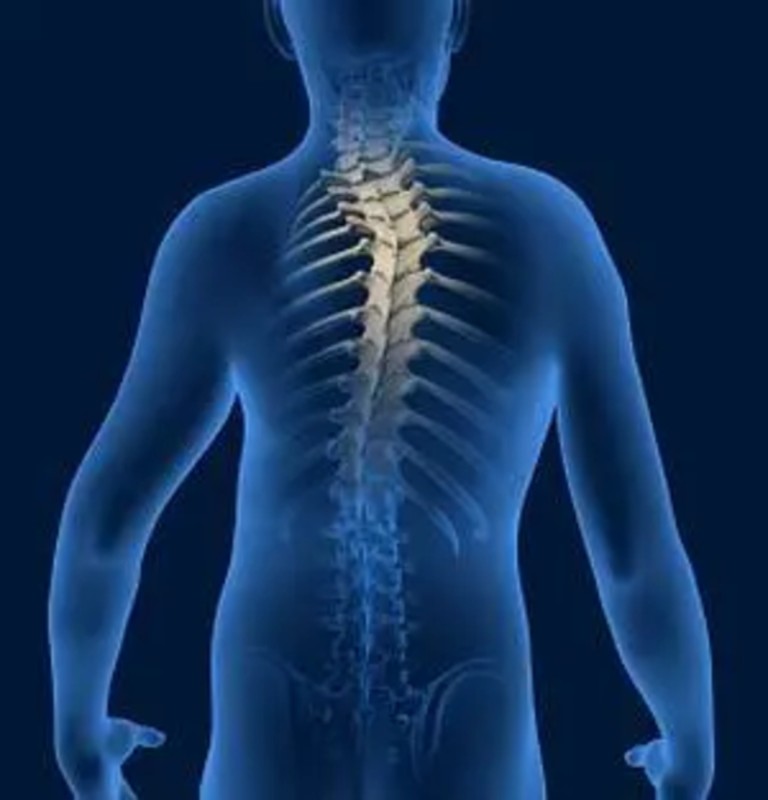
Spinal Procedures Operated by Spine Specialist
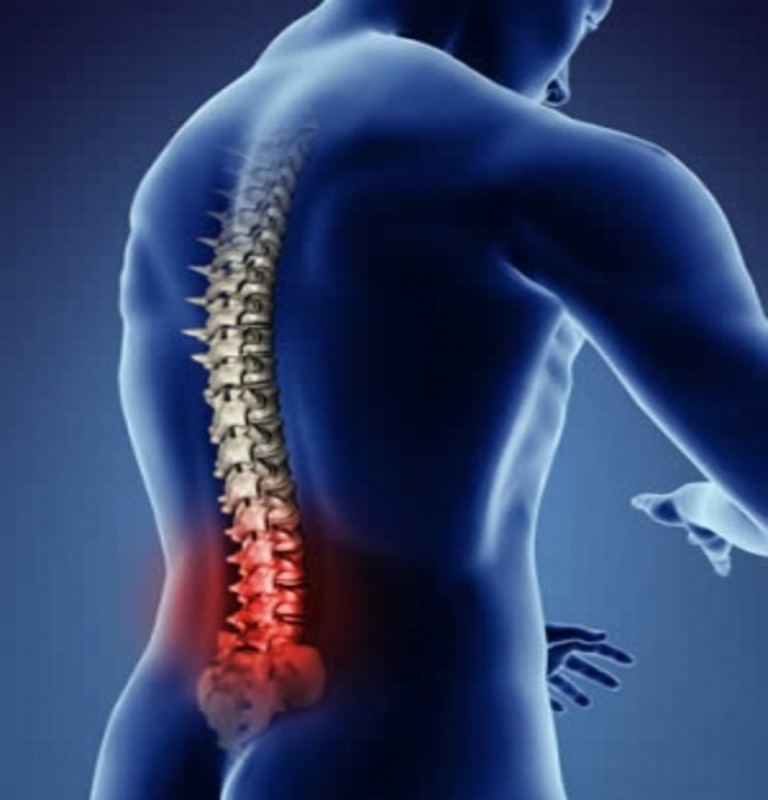
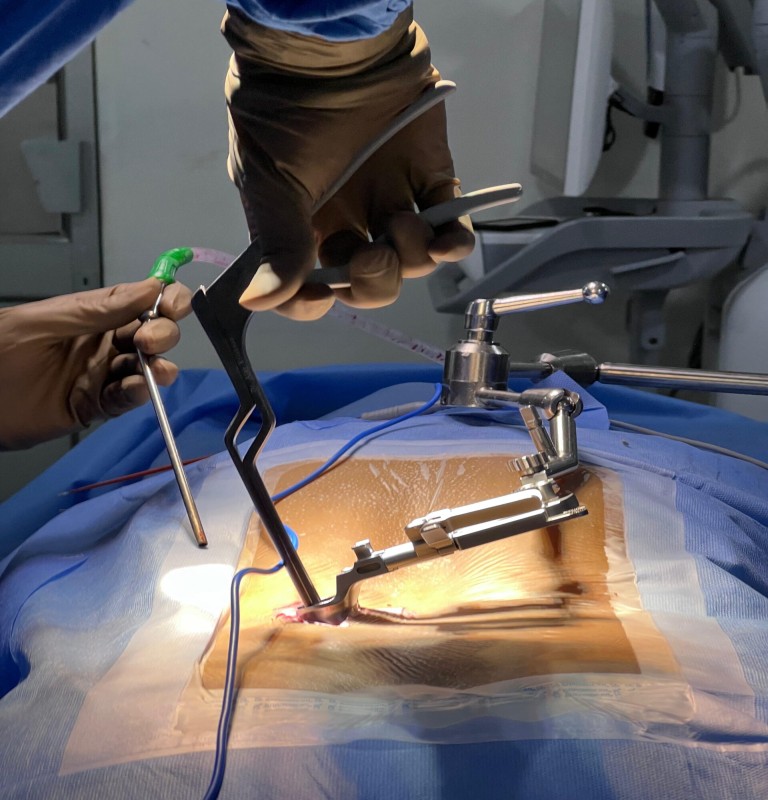
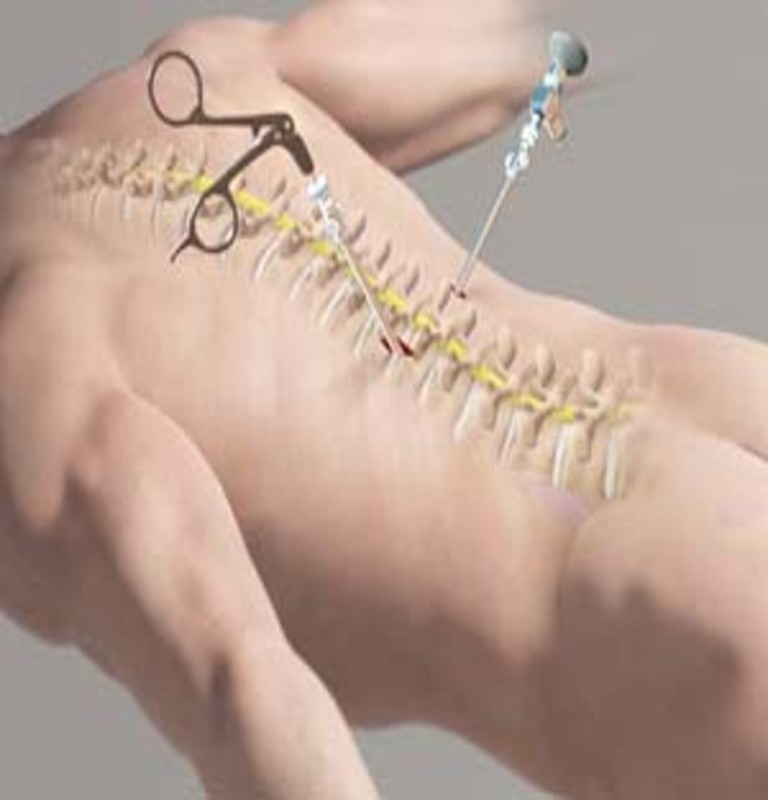
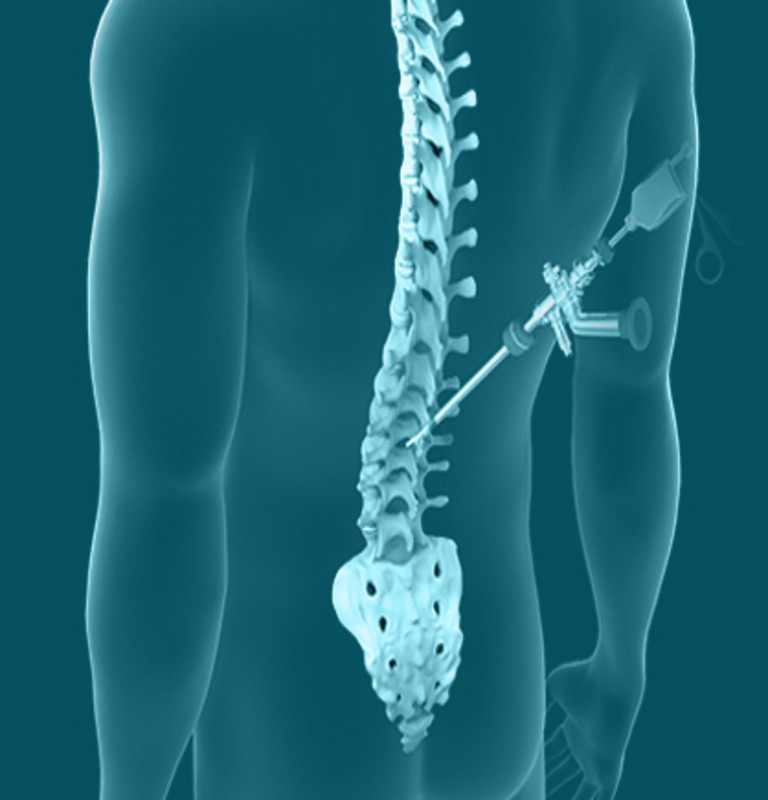
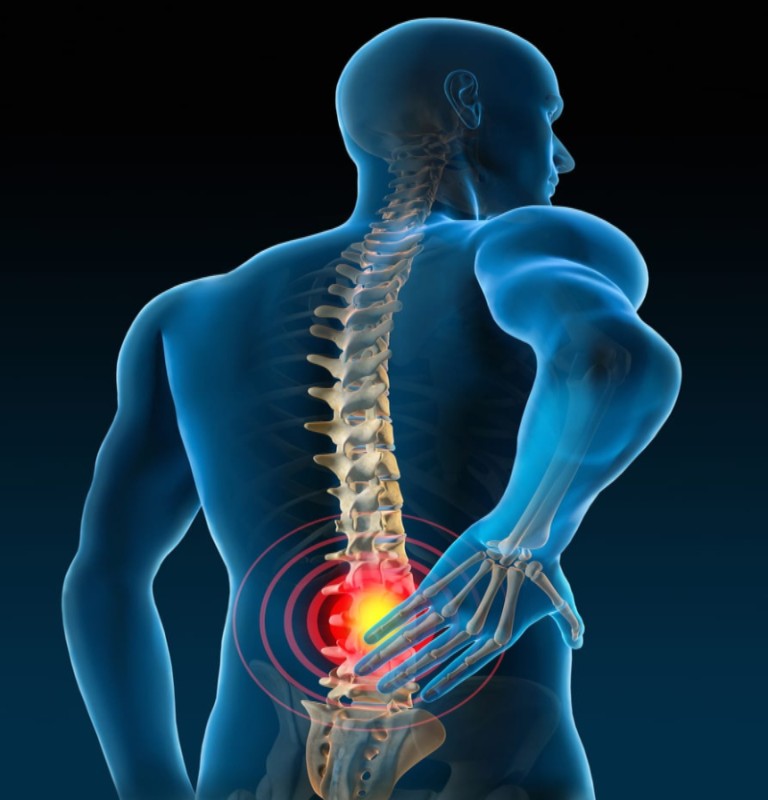
What Makes Dr. Rohit Thaker Different as a Spine Surgeon in Ahmedabad
There are several good spine surgeons in Ahmedabad. So what is the actual difference here? A few honest things, not slogans.
Training that matched the work
Three international fellowships, all in spine, all at recognised institutions. Not a single weekend course or quick observership — these were proper structured fellowships covering thousands of cases each.
Conservative care comes first
Most patients who walk in expecting surgery leave with a non-surgical plan. We have seen what happens when patients are pushed too quickly into operations they didn't need. We try hard not to be that surgeon.
Modern surgical methods only
When surgery is required, it is performed with minimally invasive or endoscopic techniques wherever appropriate. Open surgery is used where it genuinely gives a better result, not by default.
Reachable during recovery
Patients have direct access to follow-up support during their recovery. If something feels wrong at 11 PM on a Tuesday, you should be able to reach the team. That isn't a luxury — it is basic care.
One surgeon, full continuity
From first consultation to surgery to follow-up at one year and beyond — the same surgeon handles your case throughout. No handovers, no "ask the resident."
Patients often ask what to expect on their first visit. The process is straightforward.
Not just where it hurts, but how it started, what makes it worse, what makes it better, what treatments have been tried. The story usually tells us more than the MRI
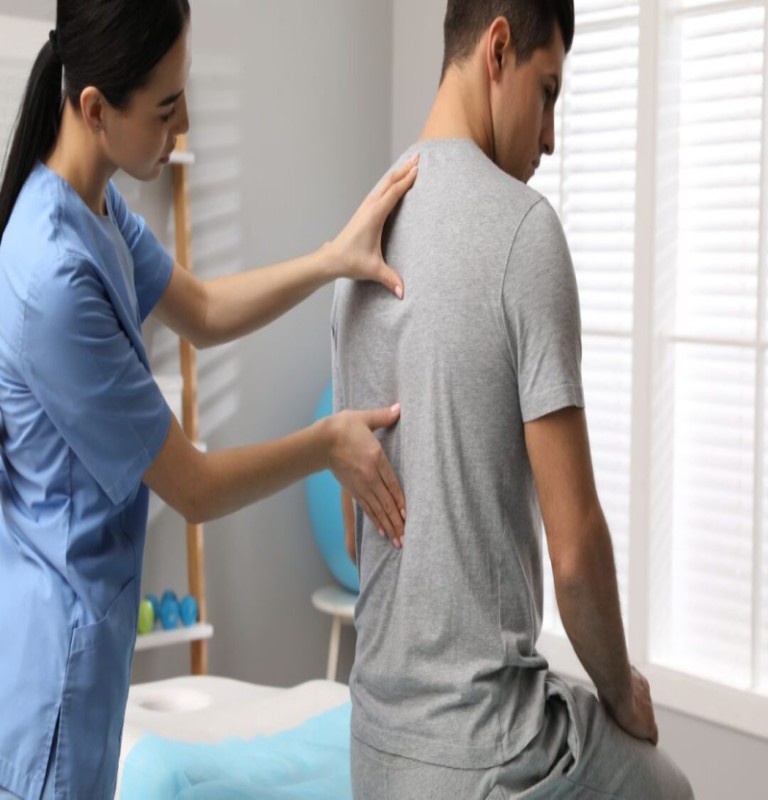
Neurological tests, range of motion, specific provocative tests, reflexes, dermatomal checks. About 70 percent of the diagnosis is made here, before any scan is even reviewed.
Patients are encouraged to bring all MRI films, reports, and previous scans. We go through them with the patient, not at them. The point is for you to understand what is going on, not just be handed a diagnosis.
What is conservative care likely to achieve? What are the surgical options if needed? What are the risks of each? What is the realistic timeline? Patients are encouraged to ask questions. No question is silly.
Most patients leave with a clear plan of medications, physiotherapy, lifestyle changes, follow-up timing, and any further investigations needed.
For patients considering surgery, we generally recommend a second visit — often a few days later — to discuss things again once the initial information has settled. Spine surgery decisions are too important to be made in a single sitting.
The surgical techniques used at Spine 360 reflect what is being practised at top spine centres globally — not what was being done a decade ago. A short list of what that means in practice.
offered for selected disc and stenosis cases. A single small incision, high-definition camera, direct visualisation of the nerve, and patients typically walking the same day with minimal pain.
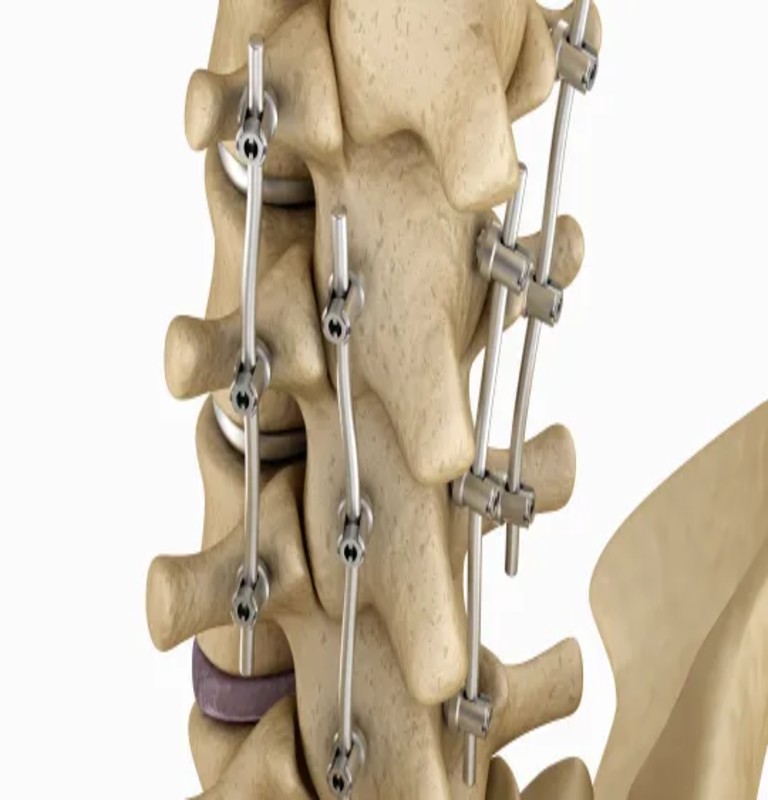
used wherever applicable. Percutaneous pedicle screws, tubular retractors, and small-incision techniques reduce muscle damage and recovery time significantly compared to traditional open fusion.
offered as a motion-preserving alternative to traditional cervical fusion for appropriate patients.
for painful osteoporotic and pathological fractures, often providing dramatic same-day pain relief.
The harder end of spine work, handled with the same precision and planning that complex cases demand.
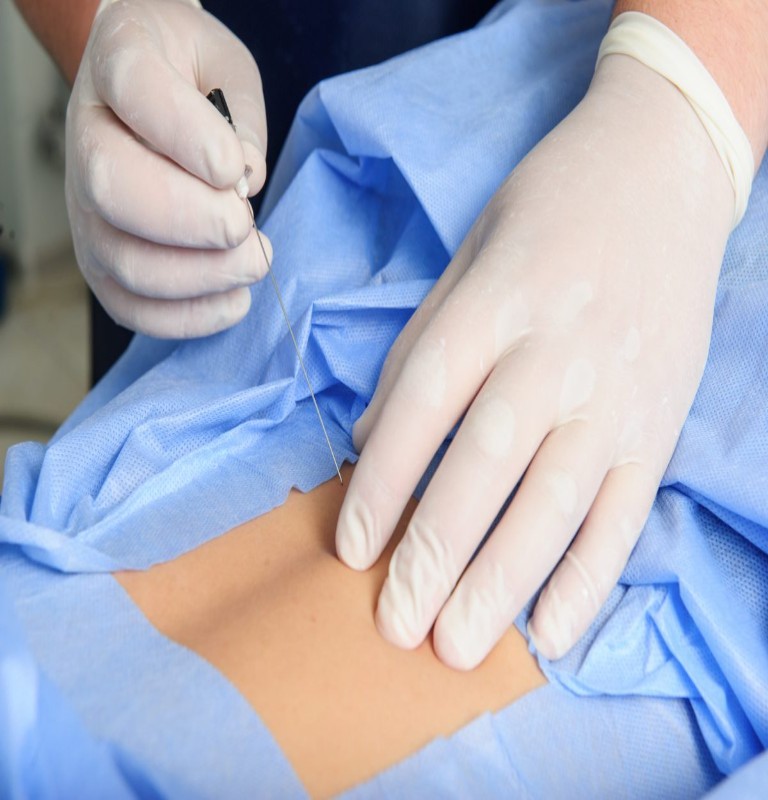
Performed under live C-arm fluoroscopy. No blind injections. Every needle position is confirmed before medication is delivered.
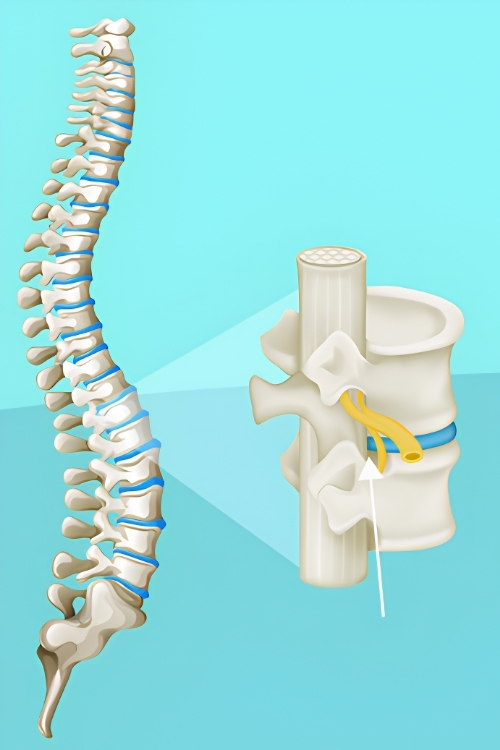
- Clarity
Many patients come after seeing two or three other doctors who gave them conflicting advice. A careful second opinion that explains the actual problem and the actual options — with reasoning, not just authority — often changes everything.
- Honesty about surgery
A significant number of patients are told they need surgery, only to find out at Spine 360 that they don't. Not yet, anyway. That conversation alone is worth the visit for many.
- Modern technique
When surgery is genuinely needed, patients want it done with current methods, not techniques from the 1990s. Endoscopic, minimally invasive, microsurgical — these are not marketing terms here. They are what is actually used.
- Continuity
Many spine centres operate on a patient and then hand them off to a rehab team or junior physician for follow-up. Here, the same surgeon stays involved throughout the recovery period.
- Time
Patients are given the time they need. Spine problems are scary and confusing. A rushed consultation makes both worse.
What Our Patients Say
Stories of Recovery
Posted on Google
 G. D Joshi
Trustindex verifies that the original source of the review is Google.
Dr Rohit thaker best spine surgan ortho plus best spine hospital Dr an staff bestPosted on Google Joshi ShantiDr rohir thaker nu kaam bhu j saru 6 tamaro khub khub abhar saheb mane saro kari dishoPosted on Google
 Ag RajgorDr rohit thaker nu kaam bhu saru 6 best hospital best staff thankyu sir tame surgari kari pachi hu badhu kaam karto thai gyo 2 vars thi hu bed rest hto pan tame surgri kari pachi bija j divas ti hu complet chalto thai gyo thankyu sirPosted on Google
 Meet Solanki
Trustindex verifies that the original source of the review is Google.
Good staff ,very supportive, positive environmentPosted on Google Ila MaliMaru name raydhanbhai 6 hu Kutch ma Rahul 6u mane Kamar ni taklif Hati pachi me Ahmedabad ma dr Rohit Thaker sir ne batayu mane opreshan nu kidhu pachi me ortho plus hospital ma opreshan karayu opreshan pachi mane Ganu sari 6 sir number kaam babu saru 6 dr saheb no khub khub abhor mane sari Karva matePosted on Google
 Ashish PatelBest orthopedic surgeon in bhuyangdev Best results 👍Posted on Google
 Patel IndravadanDr Rohit thaker is best spine surgeon Thank you sir and hospital staffPosted on Google
 Manisha PatelDr Rohit thaker is best spine drPosted on Google
 Ellona PatelDr. Rohit Thaker] and the team were wonderful. I was nervous about having my ganglion cyst removed, but they made the process easy and stress-free. Everything was explained clearly and the surgery went very well. I’m very grateful for the great care I received.
Frequently Asked Questions
When should I see a spine specialist in Ahmedabad?
If back or neck pain has lasted more than 4 to 6 weeks despite rest and medication, or if there is radiating pain in the arm or leg, numbness, weakness, or loss of bladder or bowel control — see a spine specialist soon. Any back pain in patients with a history of cancer or recent trauma also needs proper evaluation.
Does every spine problem need surgery?
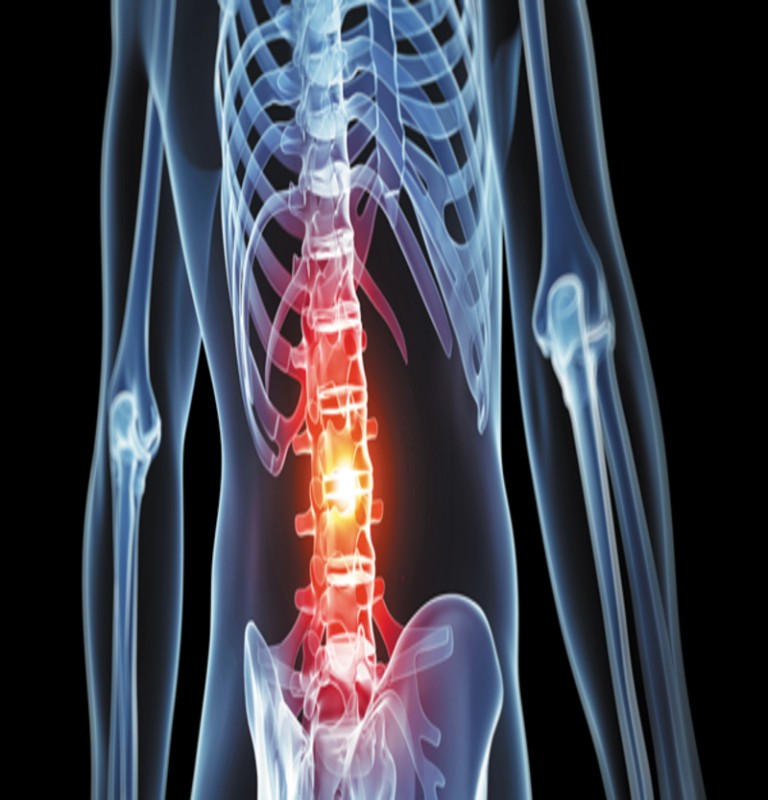
Absolutely not. Around 80 to 90 percent of spine problems are managed without surgery, through medication, physiotherapy, lifestyle correction, and image-guided injections. Surgery is reserved for specific situations where conservative care is unlikely to work or where there is a clear surgical indication.
Is Dr. Rohit Thaker a neurosurgeon or an orthopaedic spine surgeon?
Dr. Thaker is a DNB-trained orthopaedic surgeon with international fellowship training in spine surgery. Spine surgery is performed by both neurosurgeons and orthopaedic spine surgeons globally; what matters more than the parent specialty is dedicated training and experience in spine — which is what he has built his career around.
What kinds of spine surgeries are performed at Spine 360?
The full range — microdiscectomy, endoscopic disc surgery, decompression, spinal fusion (open and minimally invasive), cervical disc replacement, scoliosis and kyphosis correction, spinal tumor surgery, fracture fixation, vertebroplasty, kyphoplasty, and revision spine surgery for previously operated cases.
How long does it take to recover from spine surgery?
It depends on the procedure. Endoscopic disc surgery patients often walk the same day and return to office work in 2 to 4 weeks. Fusion patients take 8 to 12 weeks for desk work and 4 to 6 months for full activity. Complex deformity correction may require 6 to 12 months of structured rehab.
Is endoscopic or minimally invasive spine surgery safe?
Yes. These techniques are now standard in spine centres globally and offer significant advantages — smaller incisions, less pain, less blood loss, shorter hospital stay, and faster return to work — when used for appropriate cases. They are not suitable for every condition, and the choice is always made based on what actually works best for that patient.
Do I need to come to Ahmedabad in person for a consultation?
For first-time evaluation, yes — clinical examination is essential. However, follow-up visits and review of imaging for second opinions can sometimes be done via teleconsultation for outstation patients. We are happy to discuss this depending on the case.
How can I book a consultation with Dr. Rohit Thaker?
Appointments can be booked by calling the clinic directly or through the contact form on the website. For patients travelling from outside Ahmedabad, the team helps coordinate timing, imaging review, and accommodation guidance where needed.