Advanced Spine Care and Pain Relief
Spinal Injections in Ahmedabad
Not every spinal condition requires surgery. For a large proportion of patients with back pain, neck pain, sciatica, and nerve-related leg or arm pain, spinal injection procedures offer a reliable, non-surgical pathway to meaningful and often lasting pain relief. These are targeted, image-guided procedures that deliver anti-inflammatory medication directly to the source of pain within or around the spine, bypassing the limitations of oral medication and avoiding the recovery period associated with surgical intervention.
At Spine 360, Dr. Rohit Thaker, a spine surgeon with international fellowship training from Germany, Japan, and Israel, performs the full spectrum of diagnostic and therapeutic spinal injection procedures under fluoroscopic and CT guidance. Each procedure is planned on the basis of a thorough clinical assessment and correlation with the patient’s MRI findings, ensuring that the injection targets the precise anatomical structure responsible for the patient’s symptoms.

Spinal Injections in Ahmedabad — Understanding the Role of Injection Therapy
Spinal injections occupy an important position in the management of spine-related pain, sitting between oral medications on one end and surgical intervention on the other. They are used in two broad clinical contexts:
- Therapeutic injections — To deliver anti-inflammatory corticosteroids and local anaesthetic directly to the inflamed or compressed neural structure, reducing perineural oedema, suppressing the local inflammatory cascade, and providing pain relief that oral NSAIDs cannot achieve at equivalent tissue concentrations.
- Diagnostic injections — To confirm the precise anatomical pain generator when clinical and imaging findings point to more than one possible source. A positive response to a targeted injection such as a medial branch block or a selective nerve root block confirms that the injected structure is the source of the patient’s pain and guides subsequent treatment decisions.

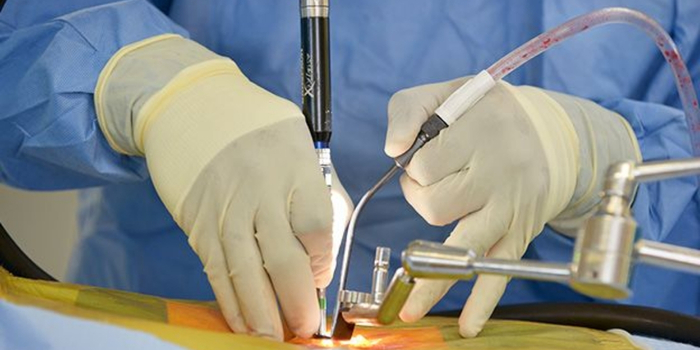
The majority of spinal injection procedures at Spine 360 are performed under fluoroscopic guidance, real-time X-ray imaging that allows the needle to be advanced under continuous visual control and the injectate to be delivered with precision confirmed by contrast dye spread. CT guidance is used in selected cases where fluoroscopic visualisation is limited or where the target is particularly complex.
Spinal injections are appropriate for patients with disc prolapse causing sciatica, spinal stenosis with neurogenic claudication, facet joint arthritis causing axial back pain, sacroiliac joint dysfunction, and post-surgical pain syndromes. They are also particularly valuable for patients who are not immediately suitable for surgery due to medical comorbidities, or for those who wish to defer or avoid surgery while achieving adequate functional relief.
Spinal Injections — Types of Procedures Performed at Spine 360
Dr. Rohit Thaker performs a comprehensive range of spinal injection procedures, each targeting a specific anatomical pain source. The selection of the appropriate injection type is based on the clinical diagnosis, the pattern of symptoms, and the findings on MRI and other imaging.
Epidural Steroid Injection (ESI)
An epidural steroid injection delivers a corticosteroid, typically triamcinolone or methylprednisolone acetate, combined with a local anaesthetic directly into this epidural space. The corticosteroid suppresses the perineural inflammation, reduces nerve root oedema, and interrupts the inflammatory pain cycle. The local anaesthetic provides immediate short-term relief while the steroid takes effect over the following 3 to 7 days.
Selective Nerve Root Block (SNRB)
A selective nerve root block is a highly targeted injection that delivers local anaesthetic and steroid to a specific nerve root at the precise level and side where compression is occurring. It serves both diagnostic and therapeutic purposes, confirming that the targeted nerve root is the source of the patient’s radicular symptoms, and providing pain relief by reducing inflammation around that root.
Facet Joint Injection
The facet joints, also called zygapophyseal joints, are the paired posterior joints that link adjacent vertebrae. Degenerative arthritis of these joints is a major source of axial back pain and neck pain, producing a dull, aching pain localised to the back or neck that is often associated with referred pain into the buttocks or shoulders without following a specific nerve root distribution.
Medial Branch Block
Medial branch blocks are primarily used as a diagnostic test before proceeding to radiofrequency ablation. A standardised protocol requires two separate medial branch blocks at each level, performed on separate occasions, to confirm reproducible pain relief before radiofrequency ablation is offered. This two-block protocol ensures high specificity in identifying the facet joint as the true pain generator.
Radiofrequency Ablation
Radiofrequency ablation is the most effective long-term interventional treatment for confirmed facet joint pain. Following a positive response to medial branch blocks, a radiofrequency electrode is placed adjacent to the medial branch nerve under fluoroscopic guidance. A controlled thermal lesion of 80 to 90 degrees Celsius is created at the nerve, interrupting its ability to transmit pain signals from the facet joint to the brain.
Sacroiliac Joint Injection
The sacroiliac joint the articulation between the sacrum and the iliac bone of the pelvis is a recognised but frequently overlooked source of lower back and buttock pain. Sacroiliac joint dysfunction or arthritis produces pain in the lower back, buttock, and occasionally the posterior thigh, which can mimic lumbar disc or facet joint pain.
Trigger Point Injections
Trigger points are discrete, hyperirritable nodules within taut bands of skeletal muscle that reproduce the patient’s familiar pain pattern when compressed. In the paraspinal muscles of the lower back and neck, trigger points frequently develop as a secondary response to underlying spinal pathology, prolonged postural strain, or myofascial pain syndromes.
Intradiscal Injections and Provocation Discography
In selected patients with suspected discogenic pain where MRI shows internal disc derangement but the clinical diagnosis is uncertain, provocation discography involves the injection of contrast dye into the disc under fluoroscopic guidance to assess the disc’s morphology and, importantly, whether the injection reproduces the patient’s exact familiar pain (concordant pain).
Spinal Injection Procedure in Ahmedabad

Before the Procedure
All spinal injection procedures at Spine 360 are performed on a day-care basis. No general anaesthesia is required. Patients are advised to inform Dr. Thaker of all current medications, particularly blood thinners (anticoagulants and antiplatelets), diabetes medications, and any history of allergy to contrast dye or local anaesthetic.
During the Procedure
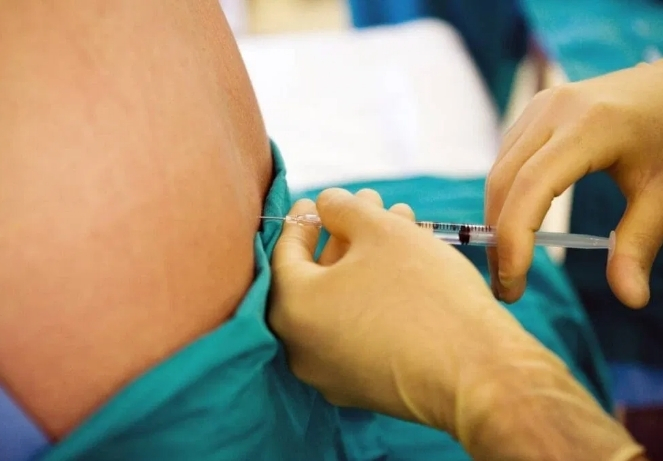
The patient is positioned on the fluoroscopy table, prone for lumbar and sacral injections, or prone or seated for cervical injections. Local anaesthetic is used to numb the skin and subcutaneous tissue at the needle entry point. Contrast dye is injected to confirm accurate needle placement and appropriate spread of the injectate. The corticosteroid and local anaesthetic mixture is then delivered.

After the Procedure
Patients are monitored in the recovery area for 30 to 60 minutes after the injection. Patients are advised to avoid driving on the day of the procedure. Mild soreness at the injection site is common for 24 to 48 hours. The local anaesthetic component provides immediate but temporary relief, while the corticosteroid takes effect over 3 to 7 days. Patients are asked to keep a pain diary after the procedure to document their response.
Spinal Injections — How Long Does Relief Last?
The duration of pain relief from spinal injections varies by the type of procedure and the underlying diagnosis.
Spinal injections are most effective when used as part of a comprehensive treatment programme that includes physiotherapy, activity modification, and appropriate oral medications. They are not a substitute for addressing the underlying structural cause of spinal pain, but they provide a meaningful window of pain relief during which physiotherapy and rehabilitation can be pursued more effectively.
Epidural steroid injections and selective nerve root blocks
Provide relief for 4 to 12 weeks in most patients. In cases where the underlying nerve compression resolves, such as a disc herniation that reabsorbs over time, the relief can be permanent. Injections can be repeated up to three times in a 12-month period if clinically appropriate.
Facet joint injections
Relief typically lasts 4 to 8 weeks. Used primarily as a diagnostic and short-term therapeutic tool before proceeding to radiofrequency ablation for longer-lasting results.
Radiofrequency ablation
The most durable of all interventional spine procedures, providing pain relief for 12 to 24 months. Repeatable when pain recurs as the nerve regenerates.
Sacroiliac joint injections
Relief duration ranges from 4 to 16 weeks depending on the degree of joint degeneration and the patient’s activity level.
Why Choose Dr. Rohit Thaker for Spinal Injections in Ahmedabad
Dr. Rohit A. Thaker holds a D.Ortho and DNB in Orthopaedics from Mumbai, with dedicated spine fellowship training at internationally recognised centres in Germany, Japan, and Israel. His interventional spine injection practice is built on the same evidence-based, imaging-guided precision that defines his surgical work at Spine 360, Orthoplus Hospital, Ahmedabad. The key aspects of spinal injection practice at Spine 360:
Fluoroscopic and CT guidance for every procedure
All spinal injection procedures are performed under image guidance. Blind injections without fluoroscopic or CT confirmation of needle placement are not performed at Spine 360, as unguided procedures carry a significantly higher risk of inaccurate drug delivery and complications.
Contrast confirmation before every injection
Contrast dye is used before the therapeutic injectate is delivered to confirm accurate needle placement and appropriate spread pattern, ensuring the medication reaches the intended target structure.
Correct clinical selection
Injections are recommended only when there is a clear clinical and radiological basis for the procedure. Patients receive a thorough pre-procedure consultation to confirm diagnosis, review imaging, discuss realistic expectations, and obtain informed consent.
Integrated treatment planning
Spinal injections at Spine 360 are not performed in isolation. The response to each injection informs the subsequent management plan, whether that is continued conservative care, physiotherapy intensification, further injections, or surgical review.

Frequently Asked Questions
What are spinal injections used for?
Spinal injections are used to treat pain arising from the spine — including back pain, neck pain, leg pain (sciatica), and arm pain caused by compressed or inflamed nerves. They deliver anti-inflammatory medication directly to the source of pain within or around the spine, achieving a concentration of drug at the target site that cannot be matched by oral tablets. They also serve a diagnostic role, helping to confirm which spinal structure is generating a patient’s pain when imaging shows changes at multiple levels.
Are spinal injections painful?
Most patients tolerate spinal injections well. The skin and soft tissue at the needle entry point are numbed with local anaesthetic before the procedure, which significantly reduces discomfort. During needle advancement, patients may feel pressure or a brief reproduction of their familiar back or leg pain as the needle reaches the target — this is expected and confirms accurate placement. The procedure is over within 15 to 30 minutes. Post-procedure soreness at the injection site typically settles within 24 to 48 hours.
How quickly do spinal injections work?
The local anaesthetic component of most spinal injections provides immediate but temporary relief that lasts a few hours. The corticosteroid component takes effect over 3 to 7 days as it reduces perineural inflammation. The full benefit of the injection is typically apparent by the end of the first week. Patients are asked to keep a pain diary after the procedure so that the duration and degree of relief can be accurately assessed at the follow-up visit.
How many injections will I need?
This depends on the diagnosis, the type of injection, and the patient’s response. Some patients achieve significant relief from a single injection and do not require further procedures. Others benefit from a course of two or three injections at intervals of 4 to 8 weeks. As a general guideline, epidural steroid injections are not repeated more than three times in a 12-month period to limit cumulative steroid exposure. For facet joint pain, the goal is to transition from diagnostic facet joint injections to radiofrequency ablation, which provides longer-lasting relief.
Are spinal injections safe? What are the risks?
Spinal injections performed under fluoroscopic guidance by an experienced specialist are safe procedures with a low risk of serious complications. Potential risks include temporary increase in pain for 24 to 48 hours after the injection, transient elevation of blood glucose in diabetic patients, rare risk of infection at the injection site, and very rare risk of nerve injury or dural puncture (wet tap). Serious complications such as epidural haematoma or spinal cord injury are extremely rare when proper technique and imaging guidance are used. All risks are discussed in detail during the pre-procedure consultation.
Can spinal injections replace surgery?
In many patients, spinal injections provide sufficient relief to avoid surgery — particularly when the underlying cause is a disc herniation that will reabsorb over time, or when the patient’s symptoms are primarily inflammatory rather than structural. However, injections do not correct structural problems such as significant disc collapse, vertebral instability, or severe canal narrowing. When neurological weakness is progressive, or when the structural compression is severe, surgery remains the appropriate treatment and injections are used as a bridge or adjunct rather than a definitive solution.
Will the injection affect my blood sugar levels?
Corticosteroids used in spinal injections can cause a transient rise in blood glucose levels for 48 to 72 hours after the procedure. This effect is dose-dependent and is more significant with larger volumes of steroid. Diabetic patients are advised to monitor their blood sugar more frequently in the days following the injection and to contact their treating physician if levels rise significantly. The effect is temporary and blood glucose levels typically return to the patient’s baseline within 3 to 5 days.
Is there anything I should avoid after a spinal injection?
On the day of the procedure, patients are advised not to drive, not to operate machinery, and to avoid strenuous physical activity. Bathing and showering are permitted, but soaking in a bathtub or swimming pool should be avoided for 24 hours. Light activities can be resumed the following day. Physiotherapy and exercise are encouraged after the injection — the pain relief window it provides is best utilised by actively participating in rehabilitation to strengthen the spine and improve postural mechanics. Follow-up is scheduled at 4 to 6 weeks to assess the response and plan further management.
If you are experiencing back pain, neck pain, sciatica, or nerve-related leg or arm pain that has not responded adequately to oral medications and physiotherapy, a spinal injection procedure may provide the targeted relief you need. At Spine 360, every injection procedure is preceded by a thorough clinical consultation, imaging review, and a clear discussion of what the procedure can and cannot achieve — ensuring that each patient makes a well-informed decision about their treatment.

Spine Specialist & Back Pain Expert
Clinic hours: Monday to Saturday | Emergency spine care available.