Regain Comfort and Freedom of Movement
Spinal Stenosis Treatment in Ahmedabad
Spinal stenosis is one of the most common causes of chronic back pain, leg pain, and neurological symptoms in adults above 50 years of age, though it can affect younger individuals too due to
congenital factors or disc degeneration. The condition involves a narrowing of the spinal canal, which puts pressure on the spinal cord and the nerve roots passing through it.
At Spine 360, Dr. Rohit Thaker, a spine surgeon with international fellowship training from Germany, Japan, and Israel, diagnoses and treats spinal stenosis using evidence-based protocols and the latest minimally invasive surgical techniques. Whether your symptoms are mild or severely limiting your daily mobility, the right diagnosis and treatment plan can make a significant difference.
Understanding the Spinal Stenosis
Spinal stenosis occurs when the spaces within the spine narrow, compressing the neural structures within the vertebral canal. This narrowing most commonly affects the lumbar spine (lower back), resulting in a condition called lumbar spinal stenosis, but it can also occur in the cervical spine (neck region), known as cervical spinal stenosis.
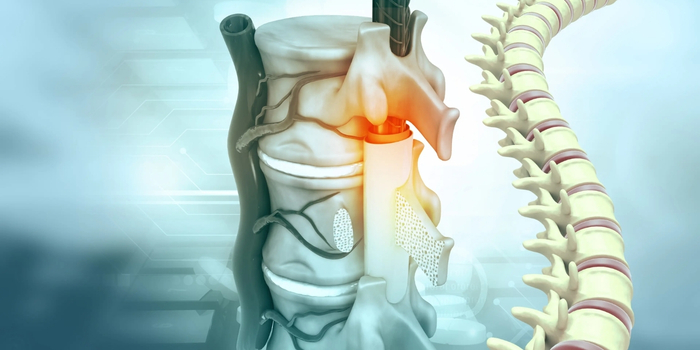

The narrowing is typically caused by one or more of the following structural changes:
- Ligamentum flavum hypertrophy — thickening of the spinal ligaments, which reduces canal space
- Facet joint arthropathy — degenerative changes in the posterior joints that cause bony overgrowth (osteophytes)
- Intervertebral disc bulge or prolapse — a bulging or herniated disc that encroaches on the neural canal or foramina
- Spondylolisthesis — forward slippage of one vertebral body over another, reducing the canal diameter
- Congenital narrowing — individuals born with a naturally smaller spinal canal are predisposed to developing symptoms even with minor degeneration
The result of this narrowing is compression of either the spinal cord (causing myelopathy) or the cauda equina nerve roots (causing neurogenic claudication) or the exiting nerve roots at the foramina (causing radiculopathy).
Diagnostic Approach for Spinal Stenosis
Accurate diagnosis is the foundation of effective treatment. At Spine 360, Dr. Rohit Thaker follows a structured diagnostic protocol:
Clinical Assessment
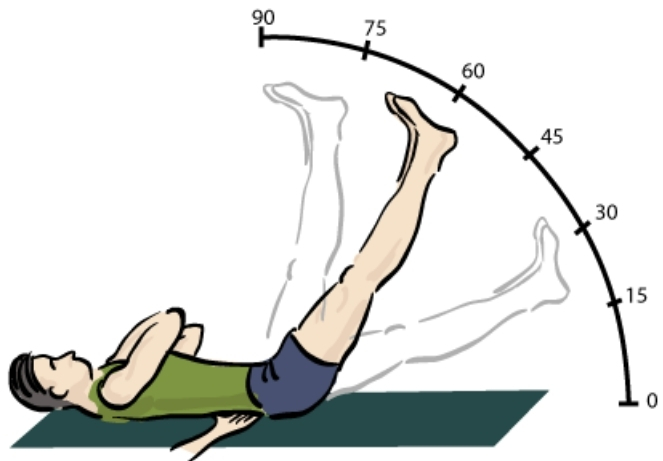
A thorough neurological examination is conducted to assess motor power, sensory deficits, reflexes, and gait. The straight leg raise test and other provocative maneuvers help localise the level of compression.
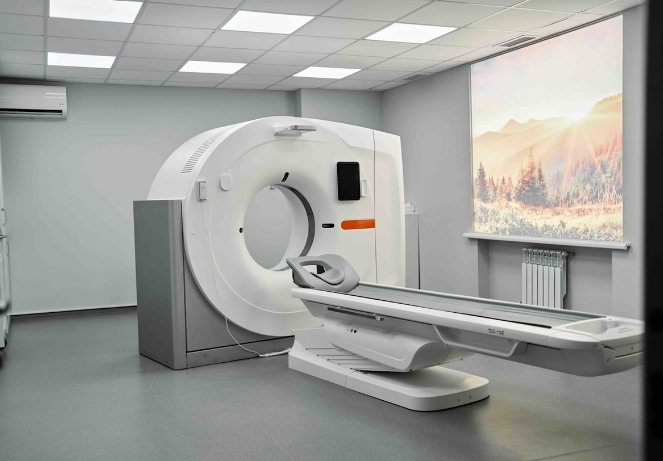
MRI (Magnetic Resonance Imaging)
The gold standard for visualising soft tissue structures including disc herniation, ligament hypertrophy, and the degree of neural It shows the exact cross-sectional diameter of the spinal canal at each level.
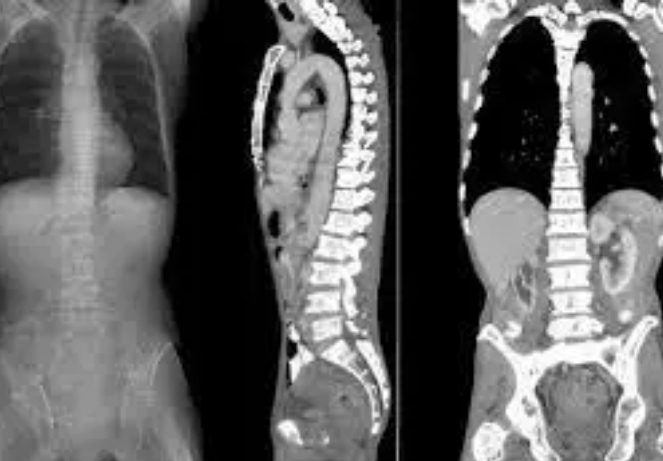
CT Scan (Computed Tomography)
Provides superior bony detail; essential for assessing facet joint hypertrophy, osteophyte formation, and canal dimensions, especially in surgical
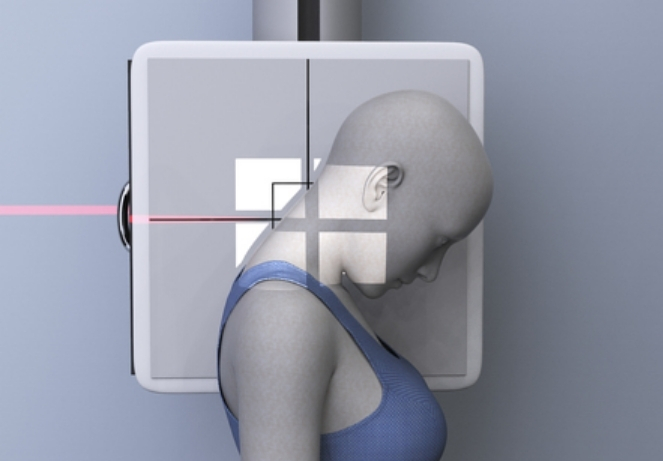
Dynamic X-rays (Flexion-Extension Views)
Used to detect instability or listhesis, which may influence the choice of surgical procedure.
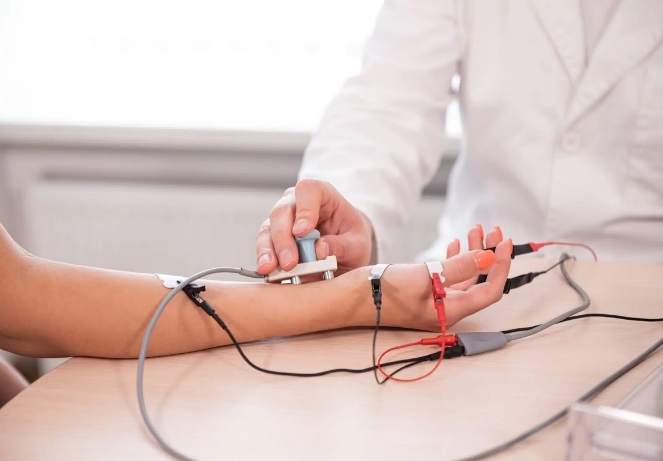
Electromyography (EMG) and Nerve Conduction Studies
Functional tests to confirm the presence and extent of nerve root or spinal cord dysfunction.
Spinal Stenosis- Non Surgical Treatment Options
Conservative Management
Not every patient with spinal stenosis requires surgery. Depending on the severity of neural compression and functional disability, Dr. Rohit Thaker evaluates each case to determine the most appropriate line of management.
Physiotherapy and Core Strengthening
Targeted lumbar flexion exercises (such as the Williams flexion protocol) reduce symptoms by opening the posterior spinal canal. Core muscle strengthening offloads the degenerative spinal segments.
Analgesics and NSAIDs
Non-steroidal anti-inflammatory drugs reduce inflammation around the compressed nerve roots and provide symptomatic relief.
Neuropathic Medications
Drugs such as pregabalin or duloxetine are prescribed when there is significant nerve root pain or burning sensation in the limbs.
Activity Modification and Posture Correction
Guidance on avoiding aggravating activities, ergonomic adjustments, and the use of assistive aids where necessary.
Transforaminal Nerve Root Blocks
Targeted injections at the level of the affected nerve root, useful both diagnostically and therapeutically.
Spinal Stenosis — Surgical Treatment by a Specialist in Ahmedabad
When conservative measures fail to provide adequate relief or when there is progressive neurological compromise, surgical decompression is indicated. Dr. Rohit Thaker specialises in multiple advanced surgical approaches to treat spinal stenosis effectively.
Cervical Decompression Surgery
For cervical spinal stenosis causing myelopathy or radiculopathy, options include Anterior Cervical Discectomy and Fusion (ACDF), Cervical Laminoplasty, or Posterior Cervical Laminectomy depending on the pattern and extent of compression.
Micro Endoscopic Decompression (MED / Tubular Retractor System)
Performed through a keyhole incision using a high-definition endoscope, this procedure allows direct visualisation of the nerve root with almost no disturbance to surrounding muscles. Patients usually walk the same day and resume light activities within a week.
Open Laminectomy / Laminotomy
For spinal stenosis, a decompressive laminectomy or endoscopic decompression is done to widen the spinal canal. In cases of instability such as spondylolisthesis, spinal fusion may be combined with decompression to give long-term stability and pain relief.
Endoscopic Lumbar Decompression (Full Endoscopic Laminotomy)
This is the most minimally invasive technique available for treating lumbar spinal stenosis. Using a working cannula of approximately 8–10 mm in diameter, the surgeon accesses the compressed neural structures through a tiny incision. The hypertrophied ligamentum flavum and osteophytes are removed under direct endoscopic vision, decompressing the nerve roots without disrupting the surrounding muscles. Patients benefit from reduced postoperative pain, minimal blood loss, and early mobilisation, often the same day or the next morning.
Spinal Fusion with Decompression (TLIF / PLIF / XLIF)
When spinal stenosis is associated with instability, spondylolisthesis, or significant disc collapse, decompression alone is insufficient. In such cases, decompression is combined with spinal fusion, restoring disc height, correcting alignment, and stabilising the segment. Dr. Thaker performs Transforaminal Lumbar Interbody Fusion (TLIF) and Posterior Lumbar Interbody Fusion (PLIF) using pedicle screw-rod constructs and interbody cages.
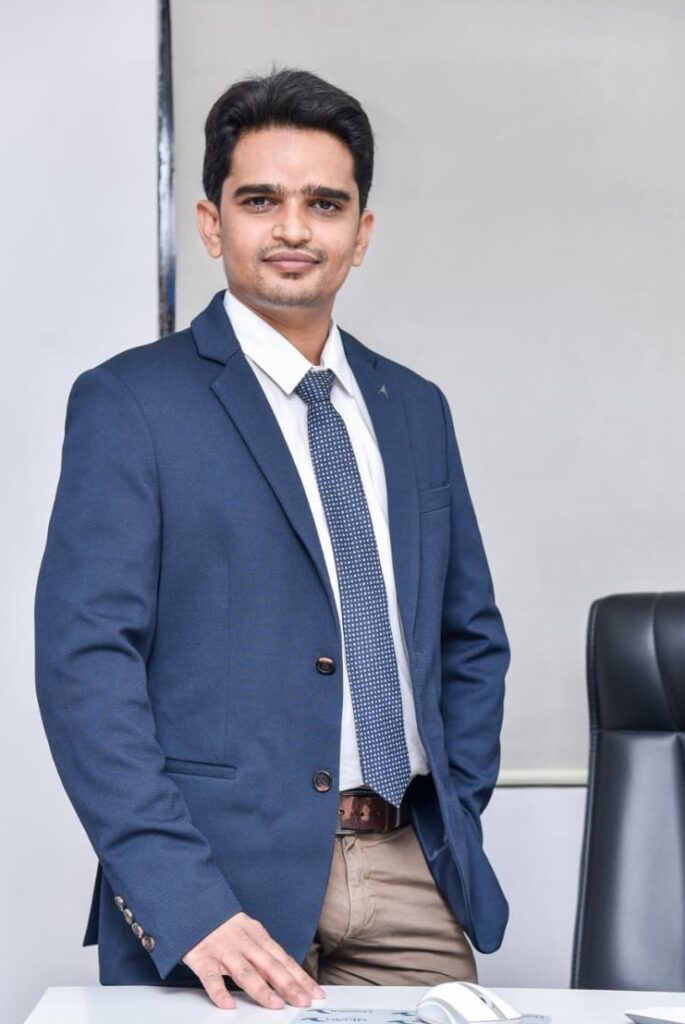
Why Choose Dr. Rohit Thaker as Your Spinal Stenosis Specialist in Ahmedabad
Dr. Rohit A. Thaker holds a D.Ortho and DNB in Orthopaedics from Mumbai, with dedicated spine surgery fellowship training in Germany, Japan, and Israel, three globally recognised centres of spine surgery excellence. He serves as Director of the Department of Spine Surgery and is an active faculty member at national spine conferences.
His clinical practice at Spine 360, located at Orthoplus Hospital, Bhuyangdev, Ahmedabad, is built on the following principles:
Accurate diagnosis before treatment
Imaging is interpreted in correlation with clinical findings to avoid unnecessary interventions
Preference for minimally invasive surgery
Full endoscopic and micro endoscopic techniques are offered as first-line surgical options wherever applicable
Evidence-based surgical decisions
Surgical indication, technique, and implant selection are guided by international spine surgery guidelines
Complete postoperative rehabilitation
A structured physiotherapy and rehabilitation programme follows all surgical procedures to ensure complete functional recovery
Frequently Asked Questions
What is spinal stenosis?
Spinal stenosis is a condition where the spinal canal — the passage that houses the spinal cord and nerve roots — becomes narrower than normal. This narrowing puts pressure on the nerves, leading to back pain, leg pain, numbness, and weakness. It most commonly develops in the lower back and neck due to age-related wear and tear of the spine.
What are the common symptoms of spinal stenosis?
The most common symptoms include pain or heaviness in the legs while walking, lower back pain, numbness or tingling in the legs or feet, and weakness in the limbs. Many people notice that their leg pain eases when they sit down or bend slightly forward. In severe cases, there can be difficulty controlling bladder or bowel function, which requires urgent medical attention.
Can spinal stenosis be treated without surgery?
Yes, in many cases. Medicines to reduce nerve pain and inflammation, physiotherapy to strengthen the back muscles, and injection-based treatments such as epidural steroid injections can provide significant relief without surgery. Surgery is recommended only when these treatments fail to give adequate improvement or when there is significant nerve weakness or bladder involvement.
What happens if spinal stenosis is left untreated?
Mild cases may remain stable for years without getting worse. However, in progressive cases, leaving it untreated can lead to increasing weakness in the legs, difficulty walking, and in severe situations, loss of bladder or bowel control. Early diagnosis and timely treatment help prevent these complications.
Is surgery for spinal stenosis safe?
Yes. When performed by an experienced spine surgeon using modern techniques, surgery for spinal stenosis is safe and effective. Minimally invasive and endoscopic procedures have significantly reduced the risks associated with older open surgeries, resulting in less blood loss, smaller incisions, and faster recovery.
How long does recovery take after spinal stenosis surgery?
With minimally invasive endoscopic surgery, most patients are able to walk the next day and are discharged within 1 to 2 days. Return to desk work is typically possible within 3 to 4 weeks. More physically demanding work may require 6 to 8 weeks of recovery. Physiotherapy after surgery further speeds up the return to full activity.
At what age does spinal stenosis usually occur?
Spinal stenosis most commonly develops in people above the age of 50, as it is largely caused by the gradual ageing and degeneration of spinal structures. However, younger individuals can also develop it due to a naturally narrow spinal canal from birth or early disc degeneration. There is no fixed age — the condition depends on the rate of spinal wear and the individual’s anatomy.
Can spinal stenosis recur after treatment?
After surgery, the majority of patients experience long-lasting relief. Since the underlying ageing process of the spine continues, there is a possibility that a different part of the spine may develop similar changes over time. Maintaining a healthy body weight, doing regular spine exercises, and attending periodic follow-up appointments significantly reduce the chances of recurrence.
If you are experiencing leg pain, back pain, or weakness that limits your daily activities, do not delay evaluation. Spinal stenosis is a progressive condition — early assessment and timely intervention prevent permanent nerve damage.

Spine Specialist & Back Pain Expert
Clinic hours: Monday to Saturday | Emergency spine care available.