Guided Recovery With Expert Monitoring
Post Operative Spine Rehabilitation in Ahmedabad
Spine surgery is only half the story. What you do in the weeks and months *after* the operation is what decides whether you walk out of clinic six months later moving normally or limping into clinic with a new set of problems. Dr. Rohit A. Thaker runs a structured Post Operative Spine Rehabilitation program in Ahmedabad at Spine 360, designed for every patient who has had cervical, thoracic, or lumbar spine surgery whether it was a small microdiscectomy, a long fusion, or a complex deformity correction. The aim is simple. Get you safely out of bed. Then get you safely back to life.

Why Post Operative Spine Rehabilitation Matters
Most patients think the hard part ends in the operation theatre. It doesn’t. Spine surgery even minimally invasive leaves behind muscles that have been cut or moved, joints that have been instrumented, and a body that has been still under anaesthesia for hours. Without proper rehab, all of this heals badly.
Look even the best surgery in the world can give a poor outcome if the recovery is mishandled. Equally, a complicated case can recover beautifully if the rehab is done right. We see both, regularly.
A proper post-operative rehab program does four things. It speeds up safe mobilisation, so you are walking sooner without putting the surgery at risk. It rebuilds the muscles around the spine that were weak before surgery and are weaker after. It prevents the complications that nobody talks about stiff hips, deconditioned core, dropped foot, dependence on a brace, fear of movement.
And maybe most importantly, it gives you back confidence in your own body, which a lot of patients lose for months after spine surgery. The honest truth is that rehabilitation matters as much as the surgery itself. In some cases, more.
Who Needs a Post Operative Spine Rehabilitation Program
Pretty much every patient who undergoes spine surgery. But the protocol changes significantly depending on what kind of surgery was done.
After microdiscectomy or endoscopic disc surgery
These are the smaller surgeries with the fastest recoveries. Most patients walk the same day. But the disc space is now lighter on cushioning and the back muscles need rebuilding. Without rehab, the chance of recurrent disc problems within 2 years rises sharply.
After spinal fusion (lumbar or cervical)
Fusion patients have the longest rehab arc, often 6 to 12 months. The fused segment is stable, but the segments above and below are now doing extra work. Targeted strengthening is critical, and so is movement re-education.
After laminectomy and decompression
These patients usually do well early but can develop late-onset instability if core strength isn't restored. Rehab focuses heavily on deep stabilising muscles.
After cervical disc replacement
Preserving motion is the whole point of the procedure, so rehab focuses on safe range of motion and avoiding stiffness, while protecting the implant.
After scoliosis or kyphosis correction surgery
Younger patients especially. Rehab is intense and prolonged, often involving structured physiotherapy for 6 months or longer. Getting back to sports needs careful staging.
After spinal trauma or fracture fixation
Bone healing takes 3 to 6 months. Rehab is paced around that healing, with bracing initially and gradual loading afterward.
After spinal tumor surgery
Recovery is influenced by both the surgery and any ongoing oncology treatment. Rehab is gentler, more coordinated with the oncology team.
Elderly patients
Frankly, the older the patient, the more important rehab becomes. Bed rest is the enemy. Even one extra day in bed costs an older patient noticeable muscle mass.
The Three Phases of Post Operative Spine Rehabilitation
Recovery isn't one long stretch. It moves in distinct phases, and what is right in phase one is often wrong in phase three. The program follows three clear stages.
Days 0 to 14: Getting Safely Out of Bed
This phase is about pain control, safe mobilisation, and avoiding the early complications.
In hospital, the first thing we do is get patients sitting up and walking, usually within 24 hours for most spine surgeries. Walking is the single best thing for recovery in the early days. It reduces clot risk, prevents lung infections, settles the bowel, and just plain makes you feel human again. Even a slow shuffle to the bathroom on day one matters.
Patients are taught log-rolling to get out of bed without twisting, how to sit and stand using the arms, how to wear the brace (if prescribed), and basic deep breathing exercises. Pain is controlled with a combination of medications, often tapered down over the first two weeks. Wound care is straightforward, keep it dry, watch for redness or discharge.
What patients don’t do in this phase: bend, twist, lift anything heavier than a half-litre bottle, sit on low chairs, or drive. The mantra is “no BLTs”—no Bending, Lifting, Twisting.
Weeks 2 to 12: Building Back Strength
Once the wound has healed and the initial pain has settled, the real work begins. This is the phase where most rehab gains happen.
Structured physiotherapy starts with gentle core activation — learning to engage the deep stabilising muscles without straining the back. Glute bridges, dead bugs, bird-dogs, wall sits, and modified planks are introduced gradually. Walking time and pace is increased every week. Most patients are walking 30 to 45 minutes by week 6.
Hip mobility work is added because tight hips throw extra load onto the back. Gentle stretching of the hamstrings, hip flexors, and piriformis becomes part of the routine. Standing posture and sitting posture get retrained — most patients are surprised at how badly they have been sitting their entire life.
Sitting for long stretches is reintroduced gradually, with breaks every 20 to 30 minutes. Light office work usually resumes around 4 to 6 weeks. Driving short distances is typically allowed by week 4 to 6, depending on the surgery and the patient.
Month 3 to Month 12: Returning to Real Life
This is where rehab moves from “recovery” to “rebuilding.” The patient is no longer protecting the back they are training it.
Progressive resistance training is added. Squats, hip hinges, controlled rows, modified deadlifts (much later), suitcase carries, anti-rotation exercises — these go in stages and only under guidance. Heavy lifting and high-impact activities like running, jumping, or contact sports are introduced very gradually, usually not before month 4 to 6, and sometimes later for fusion patients.
Return to work, return to gym, return to sports, return to travel — each of these has its own timeline. For most patients, light work resumes by 6 weeks, full desk work by 3 months, gym training by 4 to 6 months, and contact sports by 9 to 12 months. Fusion cases tend to be on the longer end.
By the end of month 12, most patients have rebuilt strength beyond what they had before surgery. That is the real goal — not just being pain-free, but being stronger.
Mistakes Patients Commonly Make During Recovery
We see the same mistakes again and again in clinic. Worth being honest about them.

Some patients are so scared of damaging the surgery that they barely move for weeks. This is a mistake. The spine is not made of glass. Reasonable movement is healing.

The opposite mistake. Some patients feel great after week 2 and decide to lift their grandchild, move furniture, or sneak in a gym session. This is when re-injuries happen.
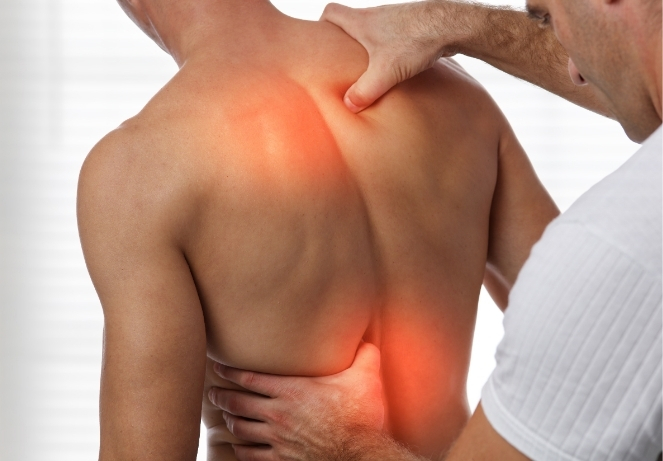
Skipping the physiotherapy
A lot of patients say, “I feel fine, I don’t need physio.” Then they come back at month 4 with stiffness, weakness, and pain that wasn’t there at week 2. Rehab is not optional.
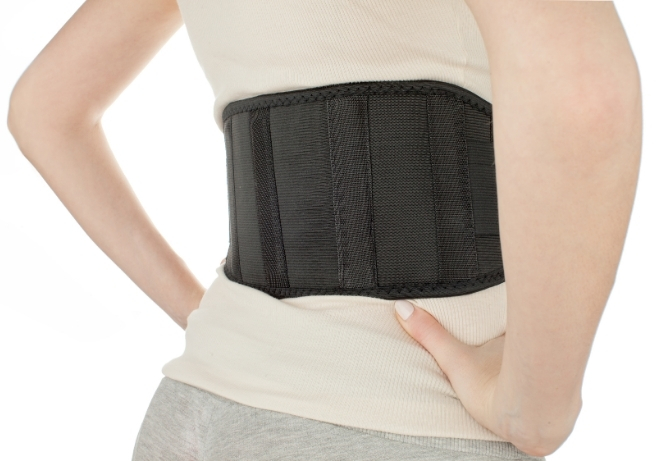
Braces are prescribed for specific weeks for specific reasons. Wearing it for months “just to be safe” makes the back muscles weaker, not stronger.

Long flights, long drives, long desk hours within the first few weeks are surprisingly risky. The seated position loads the spine far more than walking or standing.

Sleeping on a bad mattress in the early weeks can sabotage everything else. A medium-firm mattress with a thin pillow for back sleepers and a slightly thicker one for side sleepers usually works well.
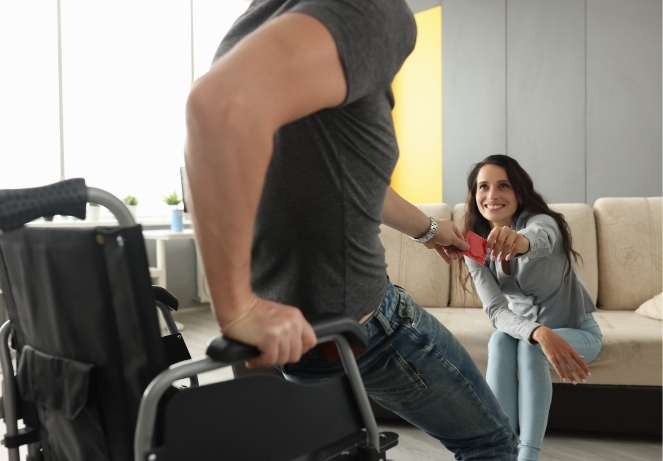
Honest topic, often unasked. Most patients can resume in 4 to 6 weeks with positions that avoid spine flexion and twisting. We discuss this openly when patients ask, because pretending it doesn’t matter doesn’t help anyone

New weakness, numbness, fever, calf pain, sudden swelling — these should never be ignored. We would rather see you for a false alarm than miss something real.
Recovery has ups and downs. Some pain, some stiffness, some bad days are normal. But certain symptoms should never be brushed off.
Most of these are uncommon when surgery is done well and recovery is monitored. But they can happen and the earlier they are caught, the easier they are to deal with. Never feel like you are being “too dramatic” by calling. We would much rather hear from you on a quiet evening than have you wait it out.

Call the clinic or come in immediately if you notice any of the following
Fever above 100°F, increasing redness or pus from the wound, sudden new weakness in the legs or arms, loss of bladder or bowel control, severe calf pain or swelling in the leg (could be a blood clot), sudden chest pain or breathlessness, severe headache after surgery, or new pain that is much worse than what you had before surgery.
Why Choose Dr. Rohit Thaker for Post Operative Spine Rehabilitation
Surgery is one thing. Recovery is another. Both have to be handled by people who actually care how the patient is doing six months down the line, not just at discharge.
Same-surgeon follow-through
The same team that operated on you is the one guiding the rehab. There is no handover, no "ask your physio." The recovery plan is built into the surgical plan from before the operation.
Stage-appropriate physiotherapy
Not generic exercises. The physiotherapy is matched to your surgery type, your age, your fitness level, and your recovery phase. A 35-year-old microdiscectomy patient and a 65-year-old fusion patient get very different rehab.
Honest milestone counselling
Patients are told realistic timelines before surgery itself. No vague reassurances. If you are going to need 4 months before driving long distances, you will know that on day one.
Family education
Most rehab struggles happen at home, not in the clinic. We brief family members on what to help with, what to allow, what to discourage. This makes a massive difference in actual recovery.

Frequently Asked Questions
How soon can I walk after spine surgery?
For most spine surgeries — including microdiscectomy, endoscopic disc surgery, and decompression — patients walk within 24 hours. Even after spinal fusion, walking usually starts on day one or day two with support. Walking is encouraged, not discouraged.
When can I return to work after spine surgery?
Desk-based work usually resumes around 4 to 6 weeks for smaller surgeries, and 8 to 12 weeks for larger fusions. Jobs involving heavy lifting or long driving may need 3 to 6 months. Each patient gets a specific work-return plan.
Do I need to wear a brace after surgery?
Depends on the surgery. Microdiscectomy and decompression usually don’t need a brace. Fusion and fracture surgeries often need one for 6 to 12 weeks. The brace is for protection, not for permanent use.
How long does the physiotherapy program last?
The active phase is usually 8 to 12 weeks, after which most patients can continue independently at home with periodic check-ins. For complex surgeries like deformity correction, structured physio may continue for 6 months or longer.
When can I drive again after spine surgery?
Short local drives usually resume around 4 to 6 weeks for smaller surgeries. Long-distance driving is typically delayed to 8 to 12 weeks. The key is being off strong painkillers and able to turn the head and body comfortably for safety.
Will I have permanent restrictions after spine surgery?
For most patients, no. After full recovery, normal activities including walking, running, swimming, cycling, and even moderate gym training are all possible. For some fusion patients, very heavy contact sports may not be advisable, but most regular activities are fine.
Can I sleep on my side after spine surgery?
Yes, side sleeping is one of the better positions. A pillow between the knees keeps the spine aligned. Sleeping on the back with a pillow under the knees is also comfortable. Stomach sleeping should generally be avoided.
What if my pain comes back months after surgery?
New or returning pain after surgery is not normal and should be evaluated. It could be from muscle weakness, posture issues, or rarely a new problem at an adjacent segment. Early review almost always finds something that can be addressed without another surgery.

Spine Specialist & Back Pain Expert
Clinic hours: Monday to Saturday | Emergency spine care available.