Advanced Spine Oncology Care
Spine Tumor Treatment in Ahmedabad
Of all the conditions that affect the spine, a tumor is the one that worries patients the most — and rightly so. The word itself is heavy. But the reality is that not every spine tumor is cancer, and even the cancerous ones today are treated very differently from what people imagine. Dr. Rohit A. Thaker, a spine tumor specialist in Ahmedabad practising at Spine 360, manages the entire spectrum — from benign growths and metastatic deposits to primary spinal tumors needing complex surgical removal. His fellowship training in Germany, Japan, and Israel covered oncologic spine surgery at centres that handle some of the most difficult tumor cases globally.

What Is a Spine Tumor?
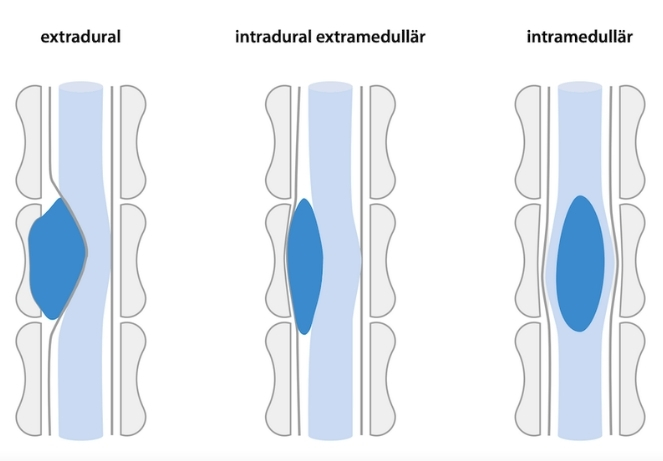
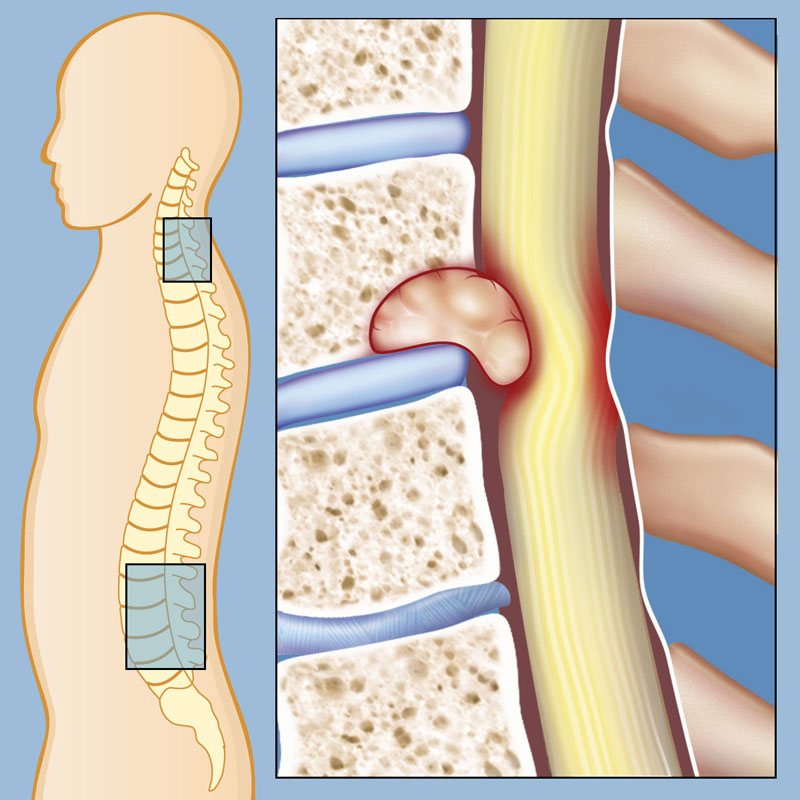
A spine tumor is an abnormal growth of cells in or around the vertebrae, spinal cord, or surrounding nerves. Some are slow-growing and harmless. Others can compress the spinal cord, cause nerve damage, or spread to other parts of the body. The location, type, and behavior of the tumor decide how serious it is — not just the word “tumor” itself. Spine tumors are broadly classified by where exactly they sit:
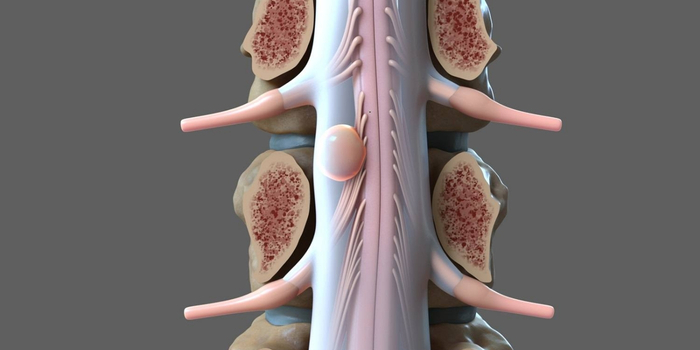
This anatomical distinction matters because it changes the surgical approach completely and it also changes the prognosis.

Extradural
Outside the dura — the protective covering of the spinal cord — usually involving the vertebral bone. Most metastatic tumors fall in this group.
Intradural-Extramedullary
Inside the dura but outside the spinal cord. Schwannomas and meningiomas are the common ones here — and they are mostly benign.
Intramedullary
Inside the spinal cord itself, which makes them the most challenging surgically. Ependymomas and astrocytomas are the usual ones in this category.
Types of Spine Tumor We Commonly Treat
Spine tumors are not one disease. There are dozens of types, but in actual practice, the same handful keep showing up.
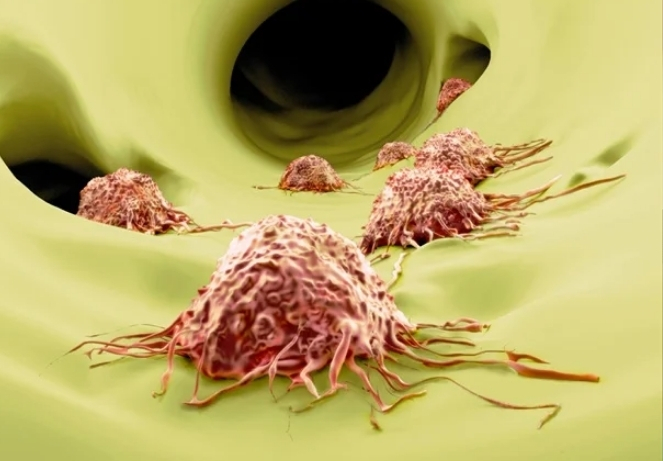
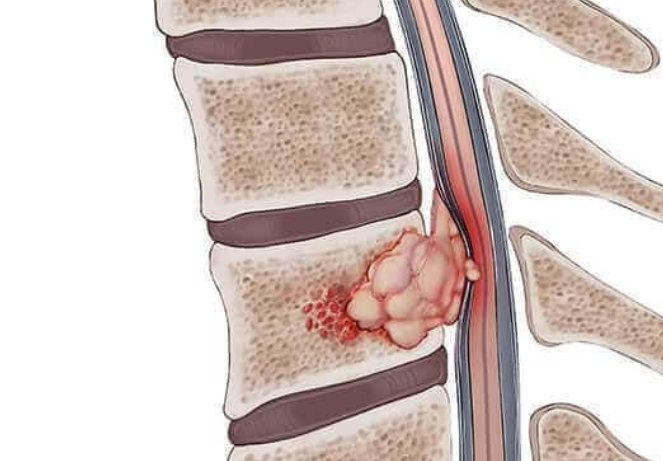
Metastatic Spine Tumors
by far the most common. These are cancers that originated somewhere else — most often the breast, lung, prostate, kidney, or thyroid — and spread to the spine through the bloodstream. Many patients first present with back pain that turns out to be the earliest sign of a known or hidden cancer.
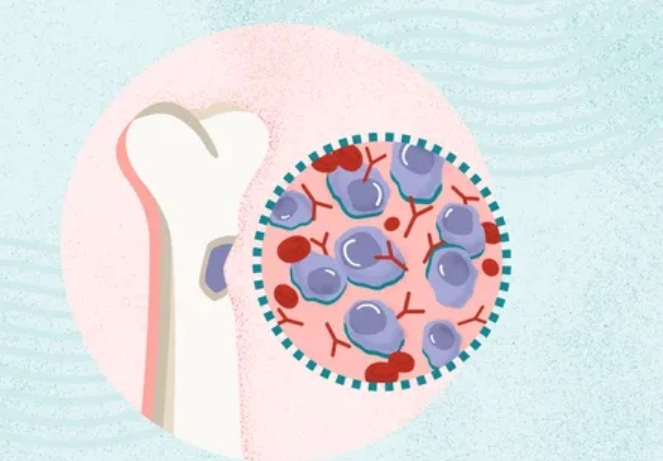
Multiple Myeloma and Plasmacytoma
blood-related cancers that frequently involve the spine and can cause vertebral collapse.
Primary Bone Tumors
— include benign ones like osteoid osteoma, osteoblastoma, aneurysmal bone cyst, and giant cell tumor, as well as malignant ones like chordoma, chondrosarcoma, and Ewing’s sarcoma.
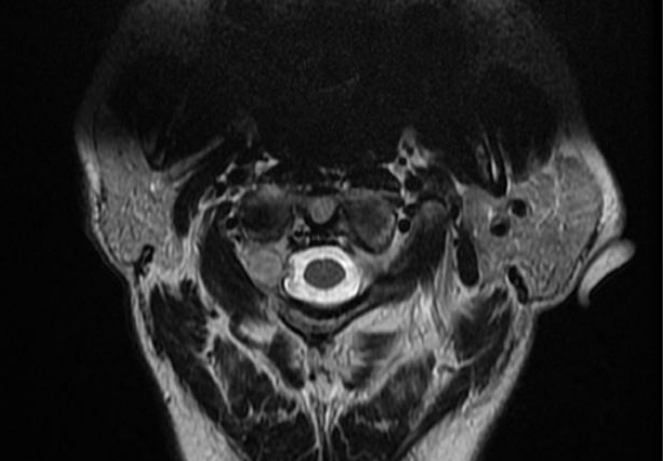
Nerve Sheath Tumors
like schwannomas and neurofibromas are typically benign, slow-growing, and curable with surgery.
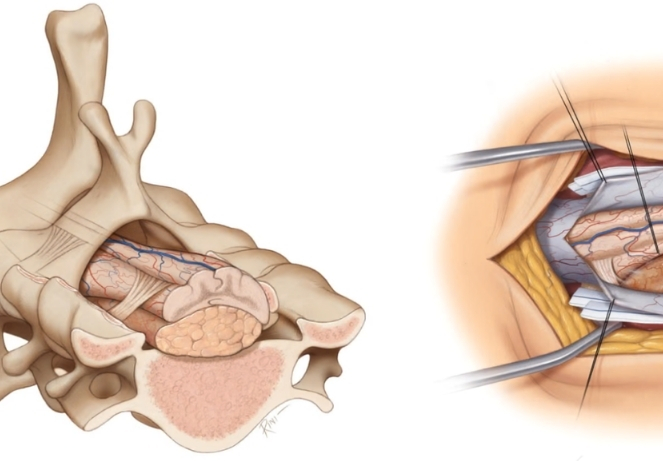
Meningiomas
of the spine are usually benign but can compress the cord if large.
Intramedullary tumors
ependymomas, astrocytomas, and rarely hemangioblastomas—grow within the spinal cord and need very delicate microsurgical handling
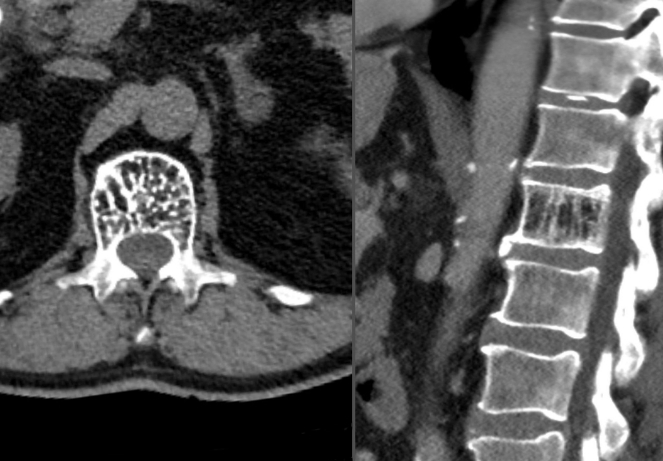
Hemangiomas
of the vertebrae are extremely common and most are harmless—they are often discovered incidentally on MRIs done for unrelated reasons.
Symptoms That Should Not Be Ignored
The tricky part about spine tumors is that the early symptoms look exactly like ordinary back pain. That is also why diagnosis often gets delayed. There are, however, specific patterns that should make any spine surgeon stop and look harder. Back pain that is constant and worse at night, pain that wakes the patient from sleep, unexplained weight loss, a known history of cancer, new neurological weakness, numbness or tingling that keeps progressing, loss of bladder or bowel control, and pain that does not improve with rest or medication.
Right Approach for Spine Tumor Treatment
Spine tumor treatment in Ahmedabad at Spine 360 follows a very structured pathway, because no two tumors are managed the same way. The plan depends on the type of tumor, its location, whether the spinal cord is being compressed, and the patient’s overall health and cancer status. Honest counselling is part of every consultation — patients deserve to know what they are dealing with.
Confirming what the tumor actually is
This starts with MRI of the spine with contrast, which is the most useful single investigation. CT scan helps assess bone involvement. PET-CT and whole-body bone scan are added when a metastatic origin is suspected. Blood markers, serum electrophoresis (for myeloma), and tumor-specific markers are checked. In most cases, a CT-guided biopsy or open biopsy is needed before any major treatment, because the tissue diagnosis decides everything that follows.
Deciding between observation, medical care, radiation, or surgery
Small, slow-growing benign tumors without symptoms may simply be observed with serial MRIs. Metastatic tumors are often managed in coordination with oncologists using chemotherapy, hormonal therapy, immunotherapy, or targeted radiotherapy. Radiation alone — particularly stereotactic body radiotherapy (SBRT) — has become very effective for certain spine metastases without needing surgery.
Surgery, when it is genuinely needed
Surgery is indicated for spinal cord compression with neurological deficit, mechanical instability, intractable pain, single isolated metastases, or when the diagnosis itself is unclear.
Post-surgical care and ongoing follow-up
This is where many centres fall short. Spine tumor patients need long-term tracking — repeat MRIs at scheduled intervals, coordination with the oncology team, rehabilitation, and pain management. At Spine 360, that follow-up is built into the treatment plan from day one.
Surgical options performed by Dr. Rohit Thaker include:
- Decompression surgery to relieve pressure on the spinal cord or nerve roots
- Tumor excision — either intralesional (debulking) or en-bloc (complete removal with margins, for selected primary tumors)
- Spinal stabilisation using pedicle screw and rod systems where the bone has been destroyed
- Vertebroplasty and kyphoplasty for painful pathological fractures with cement augmentation
- Spinal reconstruction with bone grafting or expandable cages for major vertebral defects
- Minimally invasive tumor surgery in selected cases, with smaller incisions and faster recovery

Why Patients Choose Dr. Rohit Thaker for Spine Tumor Care
Spine tumor surgery is one of the most technically demanding areas in spine surgery. It needs precision, anatomical knowledge, and the ability to work close to the spinal cord without causing damage. It also needs honesty — because some tumors should not be operated on, and saying so is harder than agreeing to operate.
Trained at tumor-focused spine centres abroad
Dr. Thaker's international fellowships in Germany, Japan, and Israel included direct exposure to oncologic spine surgery at high-volume centres that handle primary and metastatic tumors regularly.
Multidisciplinary working style
Close coordination with medical oncologists, radiation oncologists, neurosurgeons, and interventional radiologists means the plan is never decided in isolation. Tumor cases are best handled as team decisions.
Confidence with minimally invasive techniques
Where appropriate, smaller-incision and percutaneous approaches are used to reduce surgical trauma — especially in patients who are already weakened by cancer or chemotherapy.
Honest tumor counselling
Patients and families always receive a clear explanation of what the tumor is, what the realistic outcomes are, and what the alternatives look like. No exaggerated promises, no hidden risks.
Spinal reconstruction expertise
Many spine tumor cases need not just removal but rebuilding of the spine after removal. Reconstruction with cages, grafts, and instrumentation is something Dr. Thaker handles regularly.
Frequently Asked Questions
Are all spine tumors cancer?
No. A large number of spine tumors are benign — meaning they do not spread or invade. Schwannomas, meningiomas, hemangiomas, and many bone tumors are non-cancerous. Only a tissue biopsy can confirm what the tumor actually is.
What is the most common type of spine tumor?
Metastatic spine tumors are the most common, especially in adults over 50. These are cancers that have spread to the spine from organs like breast, lung, prostate, kidney, or thyroid.
How is a spine tumor diagnosed?
The first investigation is usually MRI of the spine with contrast. CT scan, PET-CT, blood tests, and a CT-guided biopsy are added to confirm the type of tumor before treatment is planned.
Can a spine tumor be removed completely?
Many benign tumors and certain primary tumors can be removed completely with good outcomes. For metastatic tumors, complete removal is usually not the goal — the focus is on decompression, stabilisation, and pain relief while the underlying cancer is treated medically.
Is spine tumor surgery dangerous?
Spine tumor surgery does carry risks because the spinal cord is close by. However, with modern imaging, intraoperative neuromonitoring, and microsurgical techniques, the safety has improved significantly. Risks are openly discussed before surgery in every case.
Will I need chemotherapy or radiation along with surgery?
It depends entirely on the type of tumor. Many benign tumors need surgery alone. Metastatic and malignant tumors usually need a combination of surgery, radiation, and systemic therapy under joint oncology care.
How long is the recovery after spine tumor surgery?
For minimally invasive procedures, patients are often mobilised within a day and discharged in 3 to 5 days. For larger reconstructive surgeries, hospital stay may be 1 to 2 weeks. Full recovery, including rehabilitation, typically takes 2 to 4 months.
Can a spine tumor come back after treatment?
Yes, recurrence is possible for certain tumor types, especially if complete removal was not possible or if margins were positive. This is why long-term follow-up with periodic MRIs is essential — to catch any recurrence early.
If you are suffering from back pain, sciatica, or any spine-related condition, timely evaluation is essential. Early diagnosis can prevent complications and help you return to a pain-free life faster. Schedule a consultation for a detailed assessment and personalized treatment plan tailored to your condition.

Spine Specialist & Back Pain Expert
Clinic hours: Monday to Saturday | Emergency spine care available.