Expert Sciatica Treatment by Dr. Rohit A. Thaker
Sciatica Treatment in Ahmedabad
If you are dealing with a sharp, shooting pain that begins in your lower back and travels down through your buttock and leg, you may be suffering from sciatica. This nerve-related condition can interfere with walking, sleeping, sitting, and even basic daily movement. Dr. Rohit A. Thaker, a leading sciatica specialist in Ahmedabad, offers precise diagnosis and modern spine care at Spine 360. With international fellowship training from Germany, Japan, and Israel, Dr. Thaker manages everything from non-surgical sciatica relief to advanced endoscopic spine procedures—helping patients return to a pain-free, active life.
Understanding Sciatica and Its Causes
Before treatment can begin, it is important to understand what sciatica actually is and why it occurs. Many patients confuse sciatica with regular back pain, but the two are very different in origin and severity.
What Is Sciatica?
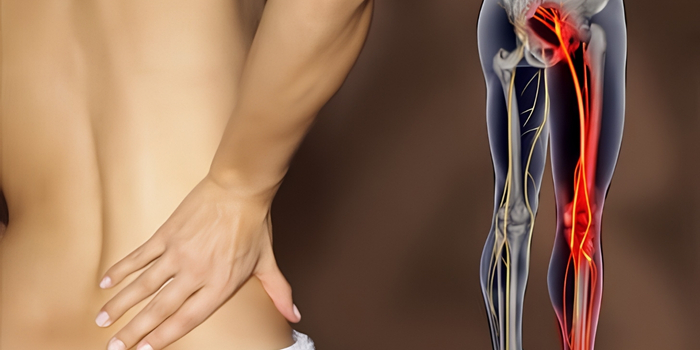
Sciatica, medically known as lumbar radiculopathy, is pain caused by irritation or compression of the sciatic nerve, the longest and thickest nerve in the human body. It is formed by the L4, L5, S1, S2, and S3 nerve roots of the lower spine. When any of these roots get pinched, pain travels along the back of the leg, sometimes reaching the foot.

Common Causes of Sciatica
The most frequent cause is lumbar disc herniation, where the soft nucleus pulposus pushes through a torn annulus fibrosus and presses on a nerve root. Other causes include spinal stenosis, spondylolisthesis, degenerative disc disease, foraminal stenosis, and piriformis syndrome. Rarely, spinal infections or tumours may also produce sciatic-type pain.
Symptoms You Should Not Ignore
Patients usually describe burning, stabbing, or electric-shock-like pain radiating from the lower back to the leg. Other symptoms include numbness, tingling (paresthesia), muscle weakness, and foot drop. Loss of bladder or bowel control is a red-flag sign of cauda equina syndrome and needs emergency care.
Types of Sciatica Treatment in Ahmedabad
Most cases of sciatica respond well to non-surgical care, and this is always the first line of management at Spine 360. The goal is to reduce nerve inflammation, control pain, and restore mobility through proven medical and rehabilitative methods.
Medications for Nerve Pain Relief
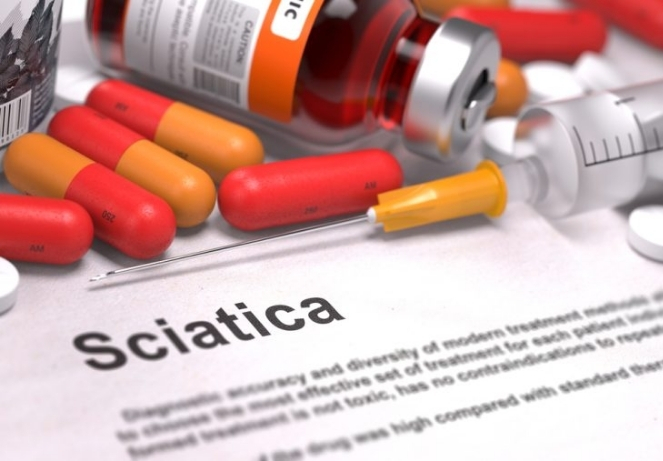
Treatment usually begins with NSAIDs, muscle relaxants, and short-course oral steroids to reduce inflammation around the compressed nerve root. Neuropathic pain medications such as gabapentin or pregabalin are added to control burning and tingling sensations.
Physiotherapy and Posture Correction
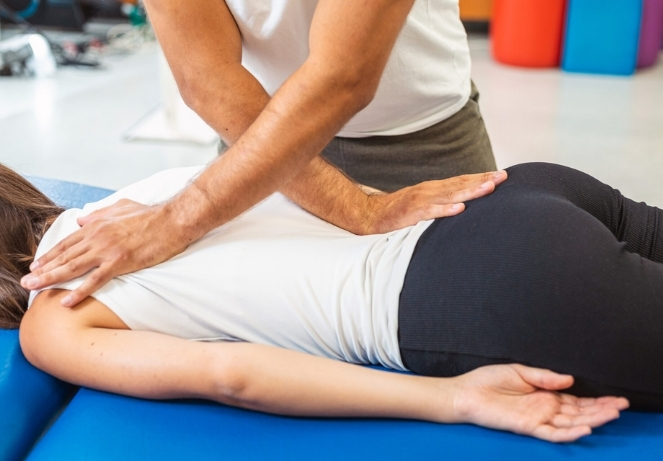
Structured physiotherapy is central to sciatica recovery. McKenzie exercises, core stabilisation training, lumbar stretches, and posture correction reduce pressure on the sciatic nerve and strengthen the paraspinal muscles. Ergonomic adjustments at work and home help prevent flare-ups.
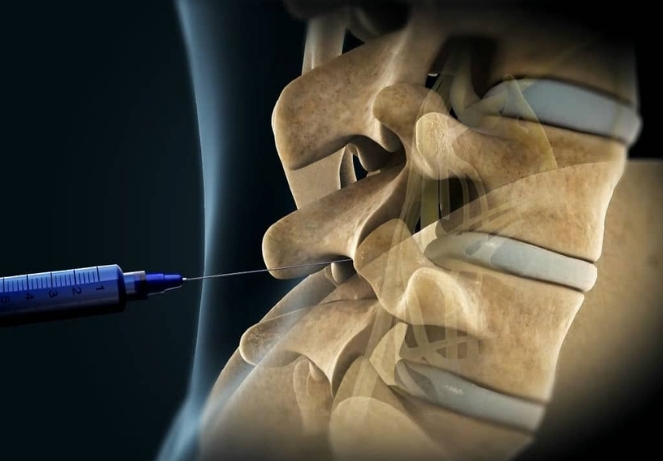
Image-Guided Spinal Injections
For patients with persistent pain, fluoroscopy-guided procedures offer effective relief. These include epidural steroid injections, transforaminal nerve root blocks, and facet joint injections. The medication is delivered precisely to the inflamed nerve, often giving long-lasting symptom control without surgery.
Sciatica Surgery in Ahmedabad
When sciatica does not improve after six to twelve weeks of conservative care — or when there is progressive neurological weakness — surgery becomes a serious option. Dr. Rohit Thaker is recognised for minimally invasive and endoscopic spine surgery, which gives excellent results with smaller incisions, minimal blood loss, and quick recovery.
Microdiscectomy
A small incision is made and the herniated fragment of the disc pressing on the nerve is removed using an operating microscope. This is one of the most reliable procedures for disc-related sciatica with a high success rate.
Full Endoscopic Discectomy
Performed through a keyhole incision using a high-definition endoscope, this procedure allows direct visualisation of the nerve root with almost no disturbance to surrounding muscles. Patients usually walk the same day and resume light activities within a week.
Decompression and Spinal Fusion
For spinal stenosis, a decompressive laminectomy or endoscopic decompression is done to widen the spinal canal. In cases of instability such as spondylolisthesis, spinal fusion may be combined with decompression to give long-term stability and pain relief.
Diagnostic Approach to Sciatica
Accurate diagnosis is the foundation of effective sciatica treatment. At Spine 360, every patient undergoes a stepwise clinical and imaging evaluation to identify the exact source of nerve compression.
Clinical and Neurological Examination
Evaluation includes the Straight Leg Raise test (Lasègue's sign), slump test, motor-sensory assessment, reflex testing at the knee and ankle, and dermatomal mapping to locate the exact nerve root involved.
Advanced Imaging Studies
Digital X-rays show vertebral alignment and bony changes. MRI of the lumbar spine is the gold standard for detecting disc herniation and nerve compression. CT scans, EMG, and Nerve Conduction Velocity (NCV) studies may be added in selected cases for complete clarity before planning treatment.
Why Consult Dr. Rohit Thaker for Sciatica Care
Choosing the right spine specialist makes a significant difference in long-term outcomes. Dr. Rohit Thaker combines academic depth, surgical skill, and an honest treatment philosophy.
Internationally Trained Spine Surgeon
Dr. Thaker is a DNB-certified orthopaedic and spine surgeon with advanced fellowship training in Germany, Japan, and Israel, covering cervical spine surgery, deformity correction, and complex spine procedures.
Expertise in Endoscopic Spine Surgery
He specialises in full endoscopic and minimally invasive spine surgery, which offers smaller incisions, faster recovery, and reduced surgical risk compared to traditional open spine procedures.
Honest, Surgery-Only-When-Needed Philosophy
Surgery is recommended only when truly indicated. Most patients are first managed with medication, physiotherapy, and injections — keeping invasive options strictly for cases where non-surgical care does not work.
Frequently Asked Questions
What is sciatica and how is it different from ordinary back pain?
Sciatica is nerve pain caused by compression of the sciatic nerve, and it radiates from the lower back down the leg. Ordinary back pain is usually muscular or mechanical and stays localised in the lower back without leg symptoms.
How long does sciatica usually take to heal?
Mild to moderate sciatica often improves within four to six weeks with medication and physiotherapy. Chronic cases may take longer and sometimes need spinal injections or surgery for full relief.
Can sciatica be treated without surgery?
Yes. Around 80 to 90 percent of sciatica patients recover with non-surgical care — including medication, physiotherapy, posture correction, and image-guided epidural or nerve root injections.
What are the warning signs that need urgent medical attention?
Sudden loss of bladder or bowel control, severe leg weakness, foot drop, saddle-area numbness, and rapidly worsening pain are emergency signs and may indicate cauda equina syndrome.
What are the main causes of sciatica?
The most common cause is a lumbar disc herniation. Other causes include spinal stenosis, spondylolisthesis, degenerative disc disease, piriformis syndrome, and pregnancy-related spinal changes.
Does sciatica affect both legs at the same time?
Sciatica usually affects only one leg. Bilateral sciatica is uncommon and may suggest a more serious central disc herniation or cauda equina syndrome that needs immediate evaluation.
Can poor posture and long hours of sitting cause sciatica?
Yes. Prolonged sitting, slouching, long driving hours, and sleeping on a sagging mattress increase pressure on the lumbar discs and can trigger sciatic nerve compression over time.
Is walking helpful or harmful for sciatica?
Gentle walking is helpful as it improves circulation, reduces stiffness, and lowers nerve inflammation. However, long-distance walking or walking with poor posture should be avoided during acute pain phases.

Spine Specialist & Back Pain Expert
Clinic hours: Monday to Saturday | Emergency spine care available.