Expert Treatment by Dr. Rohit A. Thaker
Scoliosis & Kyphosis Specialist in Ahmedabad
Not every back problem is just back pain. Sometimes the spine itself grows or bends in the wrong direction and that is what scoliosis and kyphosis really are. These are spinal deformities, not muscle issues, and they need a surgeon who actually understands how the spine should be shaped. Dr. Rohit A. Thaker treats both conditions at Spine 360 in Ahmedabad. With fellowship training from Germany, Japan, and Israel, countries where deformity correction is taught at one of the highest standards in the world, he handles cases ranging from mild adolescent curves to severe adult deformities needing complex correction.
Scoliosis and Kyphosis — Two Different Problems, Often Confused
People often use these terms loosely, but the two conditions are quite different in how the spine deforms and what they do to the body.
Some patients have a mix of both, a condition called kyphoscoliosis, which is more complex and demands careful surgical planning.
Scoliosis
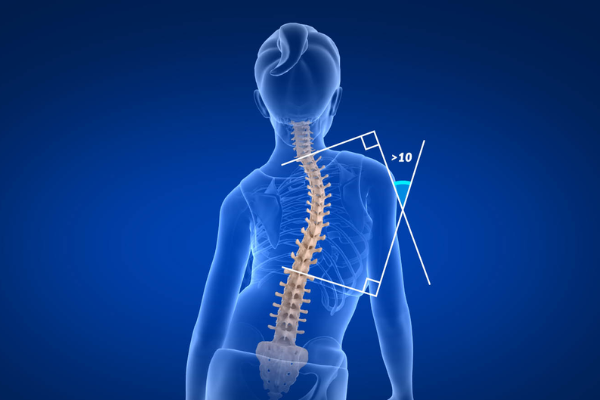
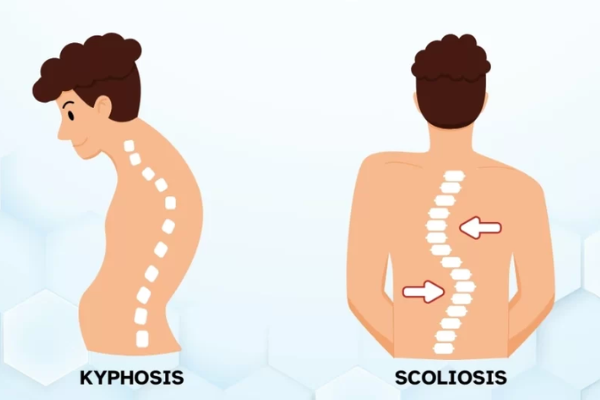
A sideways curve of the spine. From behind, the spine should look straight. In scoliosis, it bends to one side — often forming a C-shape or an S-shape. The curve is measured by the Cobb angle, and anything above 10 degrees is considered scoliosis.
Kyphosis
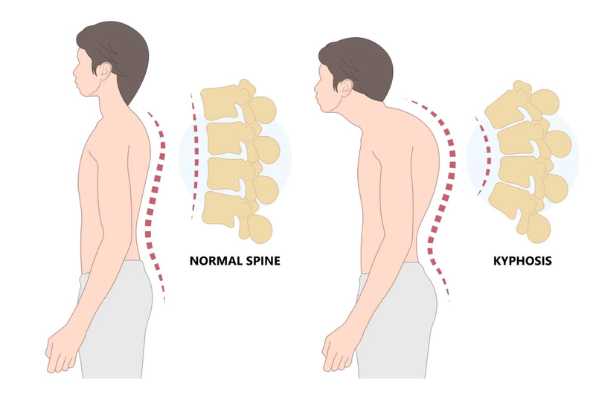
A forward curve of the upper back. Viewed from the side, the upper spine should have a gentle outward curve. When that curve becomes too pronounced — usually beyond 40 to 45 degrees — it gives a hunched or rounded back appearance and may affect breathing or balance.
Scoliosis & Kyphosis Treatment in Ahmedabad
Scoliosis & kyphosis treatment in Ahmedabad at Spine 360 is decided based on three things, the patient’s age, the size of the curve, and whether the deformity is still progressing. Not every curve needs surgery. In fact, most don’t. The aim is always to do the least intervention that gives the best long-term result.
The Non-Surgical Side of Things
For mild curves, usually under 25 degrees, and for skeletally mature patients with stable deformities, treatment is conservative. Regular monitoring with X-rays every six months helps track whether the curve is increasing. Physiotherapy plays a major role. Specific techniques like the Schroth method and core strengthening exercises can genuinely help in maintaining alignment and reducing pain.
For growing children and adolescents with moderate curves between 25 and 40 degrees, bracing is often the right answer. A custom-made TLSO or Milwaukee brace worn for 18 to 23 hours a day during growth years can prevent progression in a large percentage of cases. The brace doesn’t reverse the curve, it stops it from getting worse until skeletal maturity.
Pain management for adult patients includes NSAIDs, muscle relaxants, posture correction, and sometimes epidural steroid injections when nerve compression is part of the picture.

When Surgery Becomes Necessary
Surgery is recommended when the curve crosses 45 to 50 degrees, when it is clearly progressing, when there is neurological compromise, or when the deformity is affecting cardiopulmonary function or daily life significantly. These are not easy decisions, and we always discuss them honestly with the patient and family.
Who Should Actually See a Specialist?
Many parents and patients wait far too long before consulting a spine specialist. Honestly, by the time someone notices a hump or uneven shoulders, the curve is usually already moderate. Early consultation makes a huge difference, because mild curves can often be managed without surgery, while large ones almost always need correction.
You should consider an appointment if:
✓ One shoulder looks higher than the other
✓ The waistline appears uneven or one hip seems prominent
✓ There is a visible hump on the upper back when bending forward
✓ A child or teenager has rounded shoulders that don’t correct with effort
✓ An adult has gradually started losing height or stooping forward
✓ There is back pain along with a visible postural change
✓ Breathing feels restricted, especially in larger curves
✓ Clothes don’t fit symmetrically anymore
For school-going children, the Adam’s forward bend test is a simple screening test and parents can actually do a basic version at home. If the back doesn’t look symmetric when the child bends forward, it is worth getting it checked.
What Actually Causes These Deformities?
There is no single cause, and that is why each case has to be looked at individually. The reasons for scoliosis and kyphosis are surprisingly varied.
Idiopathic scoliosis
The most common type, mainly seen in adolescents between 10 and 18 years of age. The strange part is that we still don’t know exactly why it happens. Genetic factors play a role, and it often runs in families.
Congenital deformities
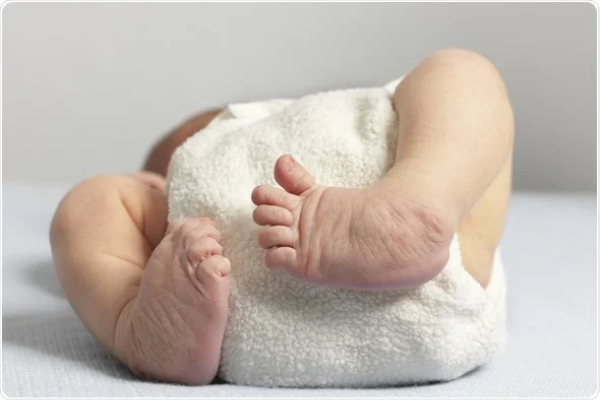
Present from birth and occur when the vertebrae don’t form properly during fetal development. These are usually picked up early in childhood.
Neuromuscular conditions
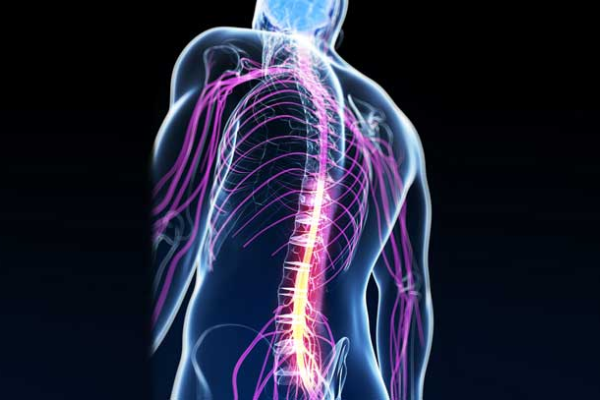
Like cerebral palsy, muscular dystrophy, or polio can cause spinal curves because the muscles supporting the spine become weak or imbalanced.
Degenerative scoliosis or kyphosis
Seen in older adults. The discs and joints wear out, and the spine slowly tilts or rounds with age. This is becoming more common as life expectancy increases.
Postural kyphosis
Seen in teenagers often from constant slouching, heavy school bags, and hours of phone use and we are noticing this far more in clinic these days.
Other causes
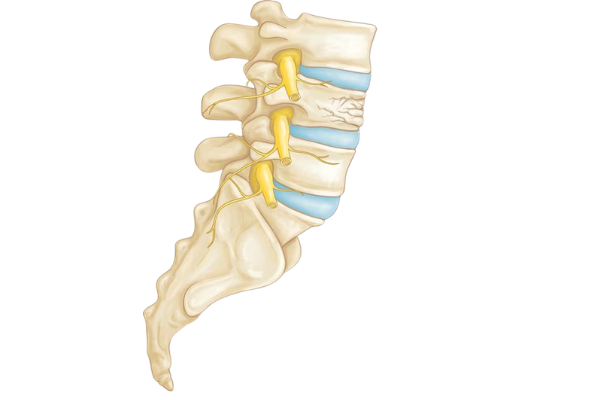
Include osteoporosis-related vertebral fractures (very common in elderly women), Scheuermann’s disease in young boys, post-traumatic deformities, and spinal tuberculosis.
Why Patients Choose Dr. Rohit Thaker for Deformity Correction
Spinal deformity surgery is not the same as routine spine surgery. It needs a different kind of training, judgment, and patience and most spine surgeons don’t focus on it.
International deformity training
Dr. Thaker's spine fellowships in Germany, Japan, and Israel included substantial exposure to scoliosis and kyphosis correction, including complex pediatric and adult deformities.
Honest second opinions
Many patients come to him after being told they need immediate surgery elsewhere. In a fair number of cases, the curve doesn't actually meet surgical criteria yet, and conservative care is the right call. We say so when that's true.
Combined orthopaedic and spine expertise
Being trained in both orthopaedics (DNB) and dedicated spine surgery means deformity is approached from a structural and biomechanical view, not just a fix-the-X-ray view.
Use of intraoperative neuromonitoring
Critical for any deformity correction surgery to protect the spinal cord during real-time correction manoeuvres.
Long-term follow-up
Deformity patients, especially adolescents, need years of follow-up. We track curve progression, brace compliance, and surgical outcomes over the long term.
Frequently Asked Questions
Are scoliosis and kyphosis the same thing?
No. Scoliosis is a sideways curve of the spine, while kyphosis is an excessive forward curve. Some patients have a combination of both, called kyphoscoliosis. The treatment for each is somewhat different.
Can scoliosis be cured without surgery?
In most cases, yes. Mild curves are managed with monitoring and physiotherapy. Moderate curves in growing children can be controlled with bracing. Surgery is needed only for larger curves or those that keep progressing.
At what age does scoliosis usually start?
Idiopathic scoliosis most commonly appears between 10 and 18 years of age, during the adolescent growth spurt. It can also appear earlier in childhood or develop later in adults due to disc degeneration.
Does scoliosis cause back pain?
Children with mild scoliosis usually don’t have pain. Adults with degenerative scoliosis often do — because the asymmetric curve puts uneven pressure on discs, joints, and nerves. Pain becomes a more common reason for surgery in adults than in children.
Is scoliosis surgery safe?
Modern scoliosis surgery is highly safe. With pedicle screw systems, intraoperative neuromonitoring, and experienced surgeons, complication rates are low. The risks are openly discussed before any decision is taken.
Will I be paralysed if I have scoliosis surgery?
This is the most common fear, and it’s understandable. With neuromonitoring used continuously during surgery, the risk of neurological injury is extremely low — well below one percent in routine cases. The technology has made these operations far safer than they were before.
How long is the recovery after deformity surgery?
Most patients are out of bed within 2 to 3 days and walking comfortably within a week. School or office can usually be resumed in 4 to 6 weeks, and full sports activity by 6 months. Healing of the fusion takes about 9 to 12 months internally.
Will scoliosis affect my child's height or future pregnancy?
Untreated severe scoliosis can reduce height and, in extreme cases, affect lung function. Mild to moderate scoliosis does not affect pregnancy or daily life. With early treatment, almost all patients live perfectly normal lives.

Spine Specialist & Back Pain Expert
Clinic hours: Monday to Saturday | Emergency spine care available.